Category Archives: Uncategorized

Penny Simkin, hypocrite

Natural childbirth advocates have been caught, proverbially, with their pants down. After making the specter of posttraumatic stress disorder a centerpiece of their efforts to promote natural childbirth, they are shocked to discover that it is natural childbirth itself that may cause post traumatic stress disorder (PTSD) after birth.

Hypocrites take your mark! Set! Go!

The first hypocrite around the bend is Penny Simkin, physical therapist, childbirth educator and all around popularizer of the notion that modern obstetrics causes PTSD and natural childbirth prevents it.

Not surprisingly, she is now struggling mightily to discredit a new study that claims that unmedicated childbirth is a cause of posttraumatic stress disorder after birth. Step 1: discredit the paper.

The paper is Postpartum Post-Traumatic Stress Disorder symptoms: The Uninvited Birth Companion. The impact of pain on symptoms of posttraumatic stress disorder is just one of many findings noted in the study:

The prevalence of post-partum PTSD was 3.4% (complete PTSD), 7.9% nearly complete PTSD, and 25.9% significant partial disorder. Women who developed PTSD symptoms had a higher prevalence of “traumatic” previous childbirth, with subsequent depression and anxiety. They also reported more medical complications and “mental crises” during pregnancy as well as anticipating more childbirth pain and fear. Instrumental or cesarean deliveries were not associated with PTSD. Most of the women who developed PTSD symptoms delivered vaginally, but received fewer analgesics with stronger reported pain. Women with PTSD reported more discomfort with the undressed state, stronger feelings of danger, and higher rates of not wanting additional children.

None of these findings is unexpected. Indeed, there is a substantial amount of research suggesting that labor pain can be a source of trauma:

It has been suggested that the intense experience of pain can lead to an event perceived as traumatic. In their study of individuals injured in traumatic events, Schreiber and Galai found that the sensation of pain rather than the injury
itself caused the perception of a traumatic event. Melzack reported that the experience of pain in childbirth is associated with traumatic memories long after the birth itself, with others reporting that many prefer to have the next birth by cesarean
section due to the memory of painful childbirth even 3 years after the birth [6]. In a survey of 28 women requesting cesarean section, all had memories of a traumatic birth, including 50% who had an emergency cesarean section. The repercussions of post-traumatic symptoms after childbirth are varied, with some reporting avoidance of sex and fear of having further children.

Simkin is already on record insisting that it is “suffering” not pain that leads to PTSD.

She discounts the benefit of pain relief in labor:

An enormous industry exists in North America to manufacture and safely deliver pain relieving medications for labor. Hospital maternity departments are designed with elimination of pain as a primary consideration, complete with numerous interventions and protocols to keep the pain management medications from causing serious harm. When staff believe that labor pain equals suffering, they convey that belief to the woman and her partner, and, instead of offering support and guidance for comfort, they offer pain medication…

What an amazing coincidence that Simkin disparages the service that she is incapable of providing (pharmacologic pain relief) and instead offers the service that she can charge money for (doula services).

For Simkin, the implication is straight forward. Pain does not cause PTSD. Therefore, anesthesiologists cannot prevent PTSD. It is “suffering” that causes PTSD and doulas can relieve “suffering.”

And what is suffering?

Simkin insists that it is “suffering” that leads to PTSD and suffering is whatever the sufferer says it is:

One’s perception of the event is what defines it as traumatic or not. As it pertains to childbirth, “Birth trauma is in the eye of the beholder”, and whether others would agree is irrelevant to the diagnosis.

Unless, of course, the beholder says it is unrelieved pain that is traumatic.

That’s why Simkin is trying to discredit the new paper. The study found that untreated pain is among a variety of factors associated with PTSD after childbirth:

There were more natural births (noninterventional) in the PTSD group than in the control group. A significantly smaller number of women who developed PTSD symptoms received analgesia during delivery compared to the control group (chi-square P = 0.000).

Moreover, the extent to which women were supported during labor made no difference:

No relationship was found between the development of PTSD symptoms after childbirth and being accompanied by someone during labor or the extent to which the accompanying person gave support.

But, but, but … these results are unacceptable. Simkin insists that the paper actually showed that the etiology of PTSD after childbirth is complex and multi-factorial:

Furthermore, these women had numerous other factors that are associated with PTSD. Before accepting natural birth as the major cause of PTSD after childbirth, please check the … other factors, which were as prevalent, or nearly so, as lack of pain relief as a cause of PTSD… [F]or example, 80 percent of the women with PTSD also had discomfort with being undressed; previous mental health problems in previous pregnancy or postpartum; and complications, emotional crises, and high fear of childbirth in their current pregnancy. All these factors have been reported in many studies to be instrumental in the development of PTSD.

Yes, all these factors have been reported to be involved in the development of PTSD, suggesting that characteristics of the women who develop PTSD are more important than their actual experience in labor or their perception of what caused the trauma. Trauma isn’t in the eyes of the beholder, it’s in the psychological disposition of the beholder.

Hence the hypocrisy. The papers that Simkin has cited for years in her assertion that it is the modern obstetric experience that leads to PTSD found exactly the same thing that this new paper found: that PTSD reflects the predisposition of the patient, not her experience. Simkin ignored those findings and insisted that childbirth educators and doulas could prevent PTSD by changing a woman’s experience by:

  • Recommend that the woman/couple learn about labor, maternity care practices, and master coping techniques for labor…
  • Recommend a Birth Plan…
  • [A] process in which she was respected, nurtured, and aided…
  • [N]o supportive person wants a woman to have pain medication that she had hoped to avoid. A previously agreed-upon “code word” provides a safety net for a woman who is highly motivated to have an unmedicated birth.

Simkin can’t have it both ways. Either the etiology of PTSD after childbirth is complex, multi-factorial, and affected by psychological predisposition or it isn’t.

I happen to think she is right that this is precisely what the new paper shows, but it is also precisely what everything else she has been citing in support of her own theories shows. PTSD after childbirth has more to do with the patient than her experience. Hence we cannot conclude that unmedicated childbirth leads to PTSD, but we also cannot conclude that a poor childbirth experience leads to PTSD or that childbirth educators and doulas can prevent it.


Trauma is not in the eyes of the beholder

In light of yesterday’s post about “birth defeat,” I thought it might be worthwhile to revisit the issue of whether “trauma” is in the eye of the beholder or whether it is reasonable to expect people to put disappointments in perspective. I’ve written several times about feelings of depression, inadequacy and even trauma regarding the issue of weight.

It seems to me that being “traumatized” by a birth that did not go exactly as planned is no different from being “traumatized” by not reaching an idealized weight. There is nothing wrong with a little disappointment, but reacting as if it is a defeat represents a complete loss of perspective on what is important.

All “trauma” is not equal, and not everything that is viewed as “traumatic” by specific individuals is worthy of that designation.

Many American women are “traumatized” by being unable to meet an idealized weight and dress size. Just like there are some women who think that an unmedicated vaginal delivery is an “achievement”, there are other women who think that wearing a size 2 is an achievement. We live in a society that venerates women who wear a size 2, looks down on a woman who is a size 12, and despises and feels sorry for women who are a size 22.

But women’s feelings about weight are not objectively “true.” They are a product of cultural stereotypes, and as such, should be questioned. Similarly, women’s feelings of “trauma” over a C-section are not objectively “true,” either. They are also a product of cultural stereotypes, in this case the stereotypes created by NCB advocates.

Women who are a size 2 aren’t inherently better or superior in any way to women who are not. While the individual woman may have bought into the cultural stereotype of what a woman “should” look like, and while she may diet obsessively to get there and stay that way, and while she may feel “empowered” and happy because she is a size 2, that does not mean the rest of us should agree with her. It also does not mean that the rest of us should aim to be a size 2, should feel empowered by being a size 2 or should sympathize with her over the disappointment of having to wear a size 4.

Women who have an unmedicated vaginal birth aren’t inherently better or superior in any way to women who don’t. While the individual woman may have bought into the NCB stereotype of how a woman “should” give birth, and while she may plan obsessively to follow the stereotype, and while she may feel “empowered” and happy because she has an unmedicated vaginal birth, that does not mean the rest of us should agree with her. It also does not mean that the rest of us should aim to have an unmedicated vaginal birth, should feel empowered by having an unmedicated vaginal birth or should offer sympathy over the “disappointment” of having a C-section.

There are many, many women who are depressed about their weight. I would guess, in fact, that there are far more women depressed about their weight than their birth experience. That’s not surprising, because the obsession with being thin reflects the values of the dominant culture, while obsession with unmedicated childbirth reflects the values of a small subculture.

What is the appropriate response to a woman who feels depressed about her weight? Is being depressed the appropriate response to being a size 4 or 6 or 8?

If a woman sought psychotherapy for being a size 4 or 6 or 8, should the therapist counsel her that the disappointment of being size 6 instead of size 2 is a reasonable response, that her sense of self worth should be dependent on her weight and that the best thing to do would be to make determined efforts to become a size 2 in the future?

Or might the therapist suggest instead exploring what being thin “means” to this woman? Might the therapist suggest questioning the cultural stereotype that thin=good woman? Might the therapist might suggest that the depression over being a size 4 or 6 or 8 is actually not about weight, but about feelings of low self esteem that affect the woman’s entire life, but are currently expressed through disappointment about weight?

What is the difference between being “traumatized” about not matching the cultural ideal of being a size 2 vs. not matching the subcultural ideal of having a unmedicated vaginal delivery? The woman who is depressed about being a size 4 has “chosen” to adopt the value of being thin every bit as much as the woman who has “chosen” to adopt the value of venerating unmedicated childbirth. It is based on what she has seen, what she has read, what she believes is important.

Does that mean that if we do not sympathize with her all too real feelings of self doubt or even “trauma” that we are mean people who trivialize other people’s feelings? Or does it mean that we are demonstrating an appropriate response to obsession with cultural stereotypes that have no objective validity and ought to be questioned?

Adapted from a post that first appeared on Homebirth Debate in January 2008.

Birth defeat?

Here’s a term I haven’t heard before: birth defeat.

As in What the heck happened? Still dealing with birth defeat…

It’s been nearly 4 months since I gave birth and I’m still coming to terms with the fact that my birth was not natural like I wanted. The main issue I’m trying to figure out is why my contractions never started and why I couldn’t dilate…

She tell us story consistent with prolonged latent phase. This is a known variant of labor. Latent phase typically lasts multiple hours and is characterized by regular contractions without appreciable dilatation. For most women, latent phase will give way to active phase labor with longer, stronger contractions and steady dilatation of the cervix.

Once latent phase has gone beyond 20 hours, most women are exhausted but not close to delivery. There are two possible options at that point: sedation to get some rest or pitocin to stimulate longer, stronger contractions. This woman was offered pitocin and an epidural after 17 hours of latent phase.

The pitocin did exactly what it was supposed to do. In fact, it worked spectacularly. She delivered less than 3 1/2 hours after pitocin was started and she had a beautiful healthy baby.

Nonetheless, she feels “defeated” by birth.

I want to accept my birth and be ok with its outcome. I know I was tired, and needed to rest so I could push DS out and avoid a c-section, but I just can’t figure out why my contractions never became strong enough for me to dilate. My doula suggested that my MW might have accidentally punctured my bag during the membrane strip and that my body wasn’t actually ready for labor. Is it possible for your body to begin labor spontaneously, but truly not be able to dilate or is it more likely that the MW accidentally punctured my inner bag? I’m still so disappointed by the outcome. My birth was special and beautiful, but not the natural experience I was hoping for.

And that’s what happens when you focus on bragging rights instead of on what’s important. It’s like whining that you won a million dollars but the check was the wrong color. It’s like whining that you won a gold medal but your hair got messed up. It’s like whining that you climbed to the summit of Everest but “broke down” and wore a heavy parka so you wouldn’t freeze to death.

Who cares whether a woman needs pitocin and an epidural to deliver? Only women who are so caught up in the ideology of natural childbirth that they imagine that the way they deliver is remotely relevant to anything.

Why didn’t her contractions get strong enough without pitocin? Because that’s what happens sometimes. Labor is like any other function of the human body. It does not work perfectly all the time. Fully 20% of pregnancies end in miscarriage, but that’s not “birth defeat” either. It’s something that happens quite commonly in the course of human reproduction.

Women need to get their heads on straight. Labor is not a gymnastics competition, with points award for style. It’s just the mechanism to get the baby from inside the uterus to outside in his mother’s arms.

You gave birth to a healthy baby? You weren’t defeated; you were victorious! The baby is the prize, not the labor, and not the ability to boast about your labor to your friends.

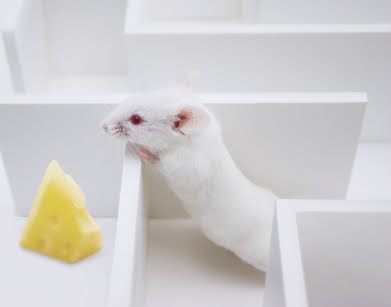
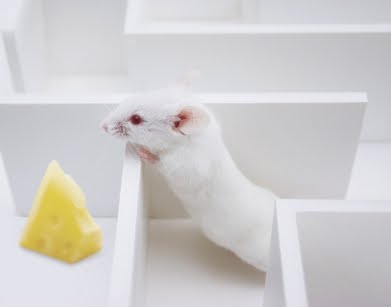
Of mice and moms

It’s like doing a study on dogs (for whom chocolate is poisonous) and announcing that chocolate is poisonous to humans.

I’m referring to a new study that claims to show that vaginal delivery, but not C-section, improves brain function. The authors showed nothing of the kind:

They did not look at humans.
They did not look at brain function.
They did not show that vaginal birth improves anything at all.

Publish or perish has apparently been succeeded by a new doctrine: publicize by any means necessary. I can’t imagine what else what motivated the grossly irresponsible behavior of researchers from Yale in putting out a press release that led to headlines like Natural Birth — But Not C-Section — Triggers Brain-Boosting Proteins. The scientists involved, including Tamas Horvath, Professor of Biomedical Research and chair of the Department of Comparative Medicine at Yale School of Medicine, should have been a great deal more circumspect about their findings, preliminary and meager as they are.

The actual paper is Ucp2 Induced by Natural Birth Regulates Neuronal Differentiation of the Hippocampus and Related Adult Behavior.

What is ucp2?

Mitochondrial uncoupling protein 2 (UCP2) is induced by cellular stress and is involved in regulation of fuel utilization, mitochondrial bioenergetics, cell proliferation, neuroprotection and synaptogenesis in the adult brain.

According to the Protein Knowledgebase:

UCP are mitochondrial transporter proteins that create proton leaks across the inner mitochondrial membrane, thus uncoupling oxidative phosphorylation from ATP synthesis. As a result, energy is dissipated in the form of heat.

In other words, ucp2 can potentially act in a myriad of ways in a myriad of cell types with a myriad of possible outcomes. There is nothing about it that is specific to brain development. There is nothing about it that is “brain boosting.”

But that doesn’t bother the authors who justify their claim with a laughable set of unrelated findings:

… We have identified mitochondrial uncoupling protein 2 (Ucp2) as a critical determinant of fatty acid utilization by adult neurons. Ucp2 promotes free radical scavenging, which is critical for enabling fatty acid beta oxidation in neurons. This mechanism is also critical for adult synaptogenesis. Ucp2 is also implicated in protection of adult as well as developing neurons in a febrile seizure model in rats at a time of breastfeeding …

1. Of course Ucp2 is a critical determinant of fatty acid utilization by adult neurons. It it a critical determinant of fatty acid utilization in ALL cells. There is nothing about it that is specific to neuronal cells or brain. It is present in plants and, last I heard, they have neither neurons, nor brains.

2. Ucp2 promotes free radical scavenging. Free radical scavenging is important in creating neuronal connections (synaptogenesis). The does NOT mean that Upc2 promotes neuronal connections and it is irresponsible of the authors to suggest that it does.

3. Ucp2 is “implicated” in neuronal protection in febrile seizures in breastfeeding rats. So what?

The authors have not demonstrated, indeed cannot demonstrate, that Upc2 “boosts” the brain of any animal, let alone human beings, but that doesn’t stop them.

In the present study, we sought to determine whether Ucp2 induction occurs in the hippocampus perinatally, and if so, whether Ucp2-associated cellular mechanisms are involved in the development of neuronal circuits in vitro with implications for adult behavior.

What did the authors actually do?

They looked at whether the synthesis of Ucp2 was increased in the hippocampal cells of fetal and new born mice. The hippocampus is a structure within the brain.

What did they find?

We observed a significantly higher level of UCP2 protein expression at the day of delivery in animals that were born via VB compared to those with CS (Fig. 2). In naturally born mice, UCP2 protein remained elevated early post-nataly (P10) as well as in adulthood.

How does Upc2 affect the development of neuronal connections? The authors don’t really know, but that didn’t stop pretending, based on extremely tenuous evidence.

To test the effect of Ucp2 induction on neuronal differentiation, cultures first were treated with the Ucp2 inhibitor, genipin. We have extensively analyzed the effect of genipin on mitochoindrial functions and how they relate to UCP2’s effect. In those studies, we confirmed genipin’s brain effects but we also showed that genipin has a more broad action on mitochondrial metabolism. Thus, we concluded that while genipin is not UCP2-specific, it does have an overall effect on mitochondrial and cellular function that is consistent with an effect that opposes UCP2 action. (my emphasis)

Let’s see. Genipin inhibits Upc2 and lots of other mitochondrial proteins. Genipin hinders neuronal delopment. Therefore, the authors conclude, without any basis, that Upc2 promotes neuronal development.

Is there any difference between vaginally delivered mice and mice delivered by C-section on behavioral test results.

The authors didn’t bother to check before they killed and dissected the mice in the study.

Instead they looked at something entirely different. They compared mice that they bred to have no ability to synthesize Upc2 they “knocked out” Upc2) to mice who could synthesize Upc2. They found that knock out mice did not test as well as normal mice. Duh! Upc2 is known to be involved in very basic cell functions in ALL cells of the mice. The fact that the knock out mice were relatively poor performers is only to be expected when knocking out a major protein of any kind.

The bottom line is that the ACTUAL finding of the study, while interesting, is trivial:

Mice born by C-section have lower levels of Upc2 in hippocampal neurons than mice born by vaginal delivery.

The authors NEVER showed that hippocampal Upc2 levels are correlated with anything, let alone with boosting brain function.

The authors NEVER showed that Upc2 has any clinical impact on brain function, let alone boosting it.

The authors NEVER showed that the C-section mice with lower Upc2 levels performed better on behavioral testing than vaginal delivery mice with higher Upc2 levels. For all we know, had the authors actually tested mice from the two cohorts, the C-section mice could have performed the same or better.

The authors NEVER showed that Upc2 has any impact on human neuronal development.

The authors NEVER showed that mice results can be extrapolated to humans.

The authors should be ashamed of themselves. They did a little bit of basic research. That’s all they did. To pretend that they found anything clinically relevant to mice is reaching. To pretend that they found anything clinically relevant to humans is grossly irresponsible.

Drunk driving after brain damage

I have a thought experiment for those decrying the fact that I highlighted a woman’s publicly proclaimed justification for choosing homebirth again after her first child suffered serious brain damage during homebirth.

What if the same woman had written “Drunk driving after brain damage” and it went something like this:

Unlike most drunk drivers whose choice has hurt others, I can honestly say that I worried very little about a reoccurence. I recognized the situation with Joshua [the car crash that resulted in his brain damage] for what it was, a rare and random event that was bad luck, and I had no doubt that it would not happen again. When I imagined driving drunk with Amelie, my second child, I imagined everything going well. The main point of difference for me, was that when I was driving drunk with Joshua I was 100% confident that everything would be fine, I knew sometimes people could have bad outcomes but I never imagined that could happen to me. After Joshua’s brain injury, I knew that it could.

She learned how to prevent something similar from happening a second time:

I consulted with an expert on drunk driving. He basically said that the only real guarantee to prevent brain damage from drunk was if no one ever drove drunk, and we all know that will never happen.

She cannot imagine attending parties and not getting drunk:

Despite what happened with Joshua, I still believe all of the things that I believed about my driving before having him. I still think I can hold my liquor. I still think that I am a fine driver even when drunk. I still want to drink at parties, I still want to avoid taxis, and I still think I will be happier at parties if I am drunk. I have seen several of the taxis in my town… I still cannot imagine how a woman takes taxis instead of driving herself home.

Would you think she was selfish?

That might sound selfish, and I guess it is a bit, because primarily I am thinking about what is going to make a party experience LESS awkward for me. And to me the answer to that is drinking at parties. Some people want access to another driver so a taxi is the clear choice for them… For me, I don’t want it… I am WAY more scared of being in a taxi than I am of driving drunk…. so its important to me that I can be in an environment where I can deal with things the way I feel like it and not be bothered or subjected to taxi drivers’ whims.

Or would you be appalled by her narcissism?

There was never any doubt in my mind after the accident with Joshua, that I wanted to continue drinking at parties. That I wanted to continue driving home drunk.

Understandably, having had a child with brain damage due to a drunk driving accident many women feel worried about driving drunk in the future. That small risk feels very, very scary the second time around and the majority of women feel safest in making choices very different to mine. They WANT to take a taxi. They WANT to have a designated driver. They WANT stop driving drunk. (Many brain damage cases, including Joshua’s, are caused by an injury while driving drunk… so many women wish to avoid driving drunk ever again.) I don’t judge anybody for feeling that way. When you have been through a drunk driving crash, you really need to do whatever feels safest to you, whatever option is going to be the best one for your mental health is the right option. I just happen to be the opposite to most women in my situation… and feel that the right choice for me is drinking at parties and driving myself home.

Is this woman entitled to our compassion because her son was permanently brain injured by her choice to drive drunk? Or is her son really the one who is entitled to our compassion?

Is this woman “off limits” for criticism of subsequent actions because her child paid a devastating price for her decision to drive drunk? Or does she merit our criticism even more because she refuses the learn from her first accident?

Does the fact that she feels happiest drunk mean that it is acceptable to drink and drive? Is it really about what makes her happiest or is what is safest for all involved more important?

Leaving aside the issue of addiction for a moment, the decision to drink and drive is a sign of narcissism. It reflects the fact that, when all is said and done, the drunk driver feels that her need to get drunk is so important that it trumps everyone else’s safety. Moreover, most drunk drivers actually believe that they are great drivers when drunk and don’t consider themselves a risk for future crashes.

Would you hesitate to criticize a woman who chooses to continue to drive drunk despite the fact that her oldest child suffered a permanent brain injury during a drunk driving crash? What’s the difference between that and choosing a homebirth (with the exact same risk factors and the exact same attendant) after her oldest child suffered a permanent brain injury at homebirth?

Which came first, the narcissism or the homebirth?

Does homebirth encourage narcissism or do narcissists choose homebirth?

There’s no question that homebirth encourages narcissism by creating a false equivalence between a mother’s experience and a baby’s health, brain function and life. I will admit that it is unfathomable to me that any woman would think that her experience is anywhere near as important as whether her baby lives or dies, but not only does homebirth encourage that view, it promotes that view by dramatically minimizing the risks of homebirth and dramatically overstating the benefits.

But I know of no professional homebirth advocate who claims that a birth experience is MORE important than a baby’s health, brain function or life. That’s intrinsic narcissism on the part of the mother.

Consider the mother who gives birth to a baby with significant brain damage as a result of homebirth, but chooses to have another homebirth. The mind boggling narcissism of this mother shines through almost everything she writes.

In announcing the birth of her daughter (Homebirth after HIE), Karissa writes:

Unlike most HIE parents, I can honestly say that I worried very little about a re-occurance. I recognised the situation with Joshua for what it was, a rare and random event that was bad luck, and I had no doubt that it would not happen again. When I imagined Amelie’s birth in my head while I was pregnant, I imagined everything going well. The main point of difference for me, was that when I was pregnant with Joshua I was 100% confident that everything would be fine, I knew sometimes people could have bad outcomes but I never imagined that could happen to me. After having Joshua, I knew that it could…

What happened to Joshua?

You can read the full story on the blog, but the basic story is that intermittent auscultation revealed fetal distress, the mother transferred to the hospital, the baby was delivered immediately, and began having seizures within an hour of his birth. Joshua now has secondary microcephaly (small brain) and cerebral palsy.

Karissa is quite clear that it is the labor that led to Joshua’s brain damage. She sent his records to someone she describes as a specialist in hypoxic ischemic encephalopathy and received the following assessment:

We spent TWO HOURS on the phone this morning discussing it all. Firstly, he talked me through the results of the neuro-imaging reports.

Firstly, an Ultrasound of his head was done on the day he was born. The results of this were normal. Dr Hill said the main purpose of this ultrasound is to identify bleeds in the brain that would require immediate action. None were found, and that is about the scope of ultrasound imaging… it is not as detailed as other scans like CT and MRI. MRI is the best form of imaging.

Joshua suffered widespread brain damage:

Joshua’s MRI was done at 5 days old, which, from a clinical point of view, allows enough time to see what damage has occurred… They made reference in the report to the Peripheral brain, which he said that his interpretation of that would be the outer layers of the brain were where these signal abnormalities were at their worse, but although affected, the temporal/parietal regions showed less of a problem than the other areas. Overall though, the damage was all encompassing, which he believes is consistent with a generalised decrease in blood flow. Brain damage can also be focal, affecting only a specific area, but in Joshua’s case, it was the whole lot.

A follow up CT scan revealed the extent of the damage:

A CT scan which was done at 5 months of age showed Encephalomalacia in the right parietal region and atrophy/hypoplasia of the frontoparietal regions of both cerebral hemispheres. Encephalomalcia basically looks like cysts in the brain… it occurs because brain tissue has died, and the pockets of dead cells are surrounded by healthy tissue…. the pockets fill with cerebral spinal fluid and appear like a cyst.

Why did this extensive brain damage occur?

As far as timing of the injury goes, he believes it happened during the labour and delivery period. The biggest indicator of that, is the fact that Joshua was born with a normal head circumference on the 50th percentile. If for example, the problem occurred a month before he was born, we would not expect to see a normal head circumference at birth. Joshua had a normal head circumference which then failed to grow normally in the neonatal period. Indicating that the problem occurred very close to the time of birth…

Dr Hill believes that the most likely cause is intermittent, transient umbilical cord compression…

There is one other possible explanation for this kind of episodic problems with blood flow, and that is utero-placental insufficiency. Where basically, the blood vessels connecting the uterus and the placenta are not as healthy as they should be and cause problems with blood flow…

In other words, Joshua was deprived of oxygen during labor. Even though Karissa transferred to the hospital once her midwife figured out the danger, it was too late. What does Karissa take away from this?

He basically said that the only real guarantee to prevent brain damage from a cord compression was if every woman was on continuous fetal monitoring for her entire labour and delivery and it was able to be detected immediately. This is not standard practice.

It’s not standard practice when the fetal heart rate is completely normal, but it IS standard practice once an abnormal heart rate is detected. Had Karissa been in a hospital during her labor with Joshua, she would have had continuous monitoring at the first sign that anything was wrong. She almost certainly would have had a C-section once continuous monitoring revealed recurrent heart rate abnormalities. Although there is no guarantee that Joshua would have escaped without any brain damage, the amount, and therefore his deficits, would have been smaller. Short version: this could have been diagnosed and treated in a hospital.

But what’s more important, Karissa’s experience or a baby’s brain function? Karissa explains her “reasoning” in choosing homebirth again.

She’s learned nothing from her first experience:

… Despite what happened with Joshua, I still believe all of the things that I believed about birth before having him. I still want a natural birth, I still want to avoid common and unnecessary interventions, and I still think I will be happier in an environment that I am comfortable in. I have seen several of the rooms in the Delivery Suite at the hospital… Joshua was ultimately born in one, and I still cannot imagine how a woman spends hours in one of those rooms. I literally turned up and got the baby out…. But having to labour there?

Her experience is more important than anything else.

That might sound selfish, and I guess it is a bit, because primarily I am thinking about what is going to make a painful experience LESS painful to me. And to me the answer to that is being at home. Some people want access to pain relief so a hospital is the clear choice for them… For me, I don’t want it… I am WAY more scared of having a needle in my spine than I am of the actual pain…. so its important to me that I can be in an environment where I can deal with things the way I feel like it and not be bothered or subjected to hospital policies.

She is mind bogglingly narcissistic.

There was never any doubt in my mind after having Joshua, that I wanted my next baby to be born at home. That I wanted the chance to have the birth that I wanted, but missed out on with Joshua…

She recognizes that other women would not take the risk of subjecting another baby to major brain damage and life long deficits, but that’s not how she feels.

Understandably, having had a child [with HIE} many women feel worried about going on to have another baby. That small risk feels very, very scary the second time around and the majority of women feel safest in making choices very different to mine. They WANT to be in a hospital. They WANT extra monitoring. They WANT an elective C-section. (Many HIE cases, including Joshua’s, are caused by an injury during labour… so many women wish to avoid labour completely) I don’t judge anybody for feeling that way. When you have been through a traumatic birth experience, you really need to do whatever feels safest to you, whatever option is going to be the best one for your mental health is the right option. I just happen to be the opposite to most women in my situation… and feel that the right choice for me is going on to have a “normal” birth.

Narcissism and denial go hand in glove

I was quite amused recently, looking at the blog of a Obstetrician who is very ANTI home birth and was tipped off to the birth story of a woman who frequents one of the same forums as I do. She put her birth story out on a public forum, and this Dr took it and pulled it apart on her blog. It was titled “You risked your Baby’s brain function for this?”. Sadly, this woman’s midwife made some very questionable decisions, but eventually a hospital transfer was made and Baby was born in the hospital. Very traumatic experience for the Mother, but thankfully the baby is ok.

I got to browsing this blog after being made aware of it due to this unfortunate incident, and this is where the amusement comes in. This very Doctor, who wants to bash women who plan home births (She has another separate blog just for home birth horror stories by the way) has many entries on her blog about the kinds of negligence that takes place in hospitals… It seemed very unusual to me for someone who is so pro-Hospital, to also be highlighting the sometimes very serious mistakes that take place in a hospital. Her blog certainly did nothing for me in terms of making the hospital sound like a safer choice!

So after playing Russian roulette with her first baby’s brain … and losing … she figures it’s okay to play Russian roulette with her second baby’s brain. What are the chances that there will be two bullets in the cylinder?

Fortunately, this baby appears to have survived her mother’s extreme self-absorption. But, nonetheless, there was another bullet, albeit considerably smaller. Karissa had to transfer to the hospital for suturing of a perineal laceration and mild obstetric hemorrhage.

Oh, well, maybe third time’s the charm.

Conflicted: successful VBAC, brain damaged baby

It’s getting harder and harder to parody natural childbirth and homebirth advocates because there is virtually nothing I can write that is more absurd than how they actually behave. No sooner did I finish yesterday’s satire on the Sanctimommy Olympics, joking that a gold medal performance in birth does not require the baby to survive, then someone sent me a link to this thread on Baby Center, posted on 8/3/12:

So I had a successful VBAC 6 weeks ago, yay!

but… my baby went into distress during pushing, and when she was born she had several issues, meconium, trouble breathing, high acid levels, and had to stay in the NICU for 3.5 weeks. She was diagnosed with HIE, so she had a severe lack of oxygen at some point, and an MRI showed brain damage.

So what I’m posting for is to ask if anyone else has has the experience of a sucessful VBAC, but an unhealthy baby, and how to I deal with the conflicting emotions about that??

On the one hand, I’m so happy I was able to experience a drug free labor and push my baby out (with some necessary assistance at the end, but still), that was something I wanted so badly, and I’m proud I was able to handle drug free labor so well.

And on the other hand, my baby couldn’t handle a vaginal birth for some unknown reason and she will probably have to deal with the effects of that for the rest of her life. So I feel like I really shouldn’t be so proud of that VBAC, like I should have just had a RCS instead.

help? 🙁

In response, I’ve promulgated this handy rule of thumb:

It is not a success, and you are not entitled to be proud, if the birth results in a dead or brain-damaged baby.

You know why? Because your birth experience is WORSE THAN MEANINGLESS compared to the health of your baby’s brain or body! No doubt the natural childbirth and homebirth narcissists will be shocked to learn that there is anything that matters more than their personal experiences, but that’s our typical response to behaviors that maim or kill others.

You may love the experience of drag racing and winning, but if the other driver is killed in the process, you have no right to be proud. You might love the experience of giving your unsecured toddler a ride on your motorcycle, but that doesn’t make up for the fact that he died when thrown from the bike. You may hate visiting a hospital, but that won’t excuse you from failing to bring in your deathly ill child.

Lest you think VBAC complications are vanishingly rare, consider that two other women reported uterine ruptures on the same thread:

I am SO sorry you had to go through this. I also had a complete uterine rupture back in March. My story sounds so much like yours. I’m here if you ever need to talk, because I know how hard it is to deal with. Also like pp stated, I have a few uterine rupture support groups you can join when you feel ready. I’m praying that your baby makes a wonderful recovery <3

And:

I’m another rupture mom. We lost our baby in August last year. This is a tough and confusing time and I’m praying for you and you little one. We do have mamas in the rupture support groups mentioned by previous posters who have experience with cooling caps. When you’re ready, get in touch an we can put you on touch. Lots of hugs. Life is so very unfair.

Moreover two additional women on the same message board posted about catastrophic VBAC outcomes within the next 48 hours.

On 8/4/12, a second mother reported:

I went into labor on Wednesday morning at 3:30 am. I labored for 16 hours without an epidural. My water was ruptured when I was 8.5 centimeters dialated and 100% effaced. Two hours later I was 10 and began too push. Immediately, I began to have excruciating breakthrough pain which I now know was me rupturing. I pushed through three contractions before my son had a complete heart decel.

I was rushed in for emergency csection. I had to be given general anesthesia. When I woke up post op I was told my son was essentially brain dead and we should let him die peacefully. Within two hours of being born he began to show brain activity. He began breathing on his own, sucking, his gag reflex was intact. Based on these new developments he became eligible for a treatment known as cold cap that is for newborns with brain injuries. His treatment concludes early next and once it does we will have a better idea of his prognosis.

Mu providers are devastated. They supported a VBAC from the beginning. According to the Doxtors my VBAC was picture perfect until I began to push. In every phase of labor they were aware of my desires and supported them until it became clear there was a problem. I can’t believe I am in the .5%-1.25% that ruptures.

And on 8/5/12, a third mother reported:

Was hoping to vbac but after going into labor, water breaking, etc baby boy’s heartrate dropped to a scary level enough times that were rushed into the operating room. Baby had the cord wrapped around his neck 3 times and lost oxygen for a period of time.

6-7 hours after birth he had a seizure and was transported to a higher level nicu for treatment. He had xool cap therapy to prevent any further damage to his brain and has recovered beautifully. He might have a learning disability in the future due to some damage found on an mri but will not be able to know until he is in school.

This is day 8 in the nicu and all he has to do is nurse consistently and we can go home! Hoping that will be in 2-3 days.

This mother, at least, recognizes that her baby’s health is more important than her experience:

I am not upset I didnt get my vbac but glad baby is doing well. If we end up with another (this was baby #3) I might just go for a rcs.

Attempting a VBAC is a reasonable option in a hospital that is appropriately staffed, IF and ONLY IF a mother understands that death and brain damage will inevitably occur in some babies even if you are low risk, even if your doctor is standing right there, and even if you have immediate surgery.

And keep my handy rule of thumb in mind:

It is not a success, and you are not entitled to be proud, if the VBAC results in a dead or brain-damaged baby.

The Sanctimommy Olympics

Lost in all the hype around the real Olympics, another festival is taking place in Oregon, the Sanctimommy Olympics.

The Sanctimommy Olympics, like the real Olympics, awards outstanding performances in a variety of events. Like the real Olympics, the Sanctimommy Olympics has strength events, speed events, distance events,and endurance events. Plus there are special categories for risking your baby’s life, putting your own needs ahead of that of your child and boasting of your superiority to other mothers.

For the first time ever, the opening ceremonies of the Sanctimommy Olympics were led by a man. Honorary Sactimommy Mayor Michael Bloomberg of New York City was the man of the hour, in large part because of his commitment to hiding infant formula in hospitals under lock and key. The torch was lit by Gisele Bunchen who shot to sanctimommy fame in the wake of her homebirth when she proposed a law requiring all mothers to breastfeed. The flame had traveled from The Farm in Tennessee where Ina May Gaskin had lit it naturally using a flint and homegrown, organic straw, across the US, carried by sanctimommy luminaries like Mayim Bialik and and Ricki Lake.

Entertainment was provided by a chorus of laboring women vocalizing their distress.

Security was extremely tight. Even participants were required to demonstrate that they did not have a scar on their uterus and to bring any baby boys for examination to confirm that all foreskins were intact.

Endurance events include longest out of hospital labor (extra points if the baby survives, though that is not a requirement), longest breastfeeding (minimum requirement for entry is 4 years), and most children tandem breastfed at the same time. This year the same woman won the gold medal for both longest breastfeeding and most children tandem breastfed. She is still breastfeeding her 10 year old, as well as four other children, ages 8, 6, 4, and 2.

This year also saw the introduction of two endurance events for fathers: most years excluded from sleeping in the family bed and least number of acts of sexual intercourse in a 5 year period.

The main strength event is child-wearing. Anyone can wear a baby 24/7, but it takes a real champion to wear a pre-teen. Extra points are awarded if the child has never learned to walk independently.

Speed events include rushing infants to the potty for elimination communication, dashing into traffic to rescue children who keep playing there because they have never been disciplined, and instantaneously criticizing any father who dares to evince an opinion on raising his own children. The criticism event was marred by numerous false starts of mothers who criticized their husbands even before they said anything.

The heart and soul of the Sanctimommy Olympics are the special events. These include risking your baby’s life at homebirth. Unfortunately, this year’s gold medal was awarded posthumously to a woman who died attempting an unassisted birth through a placenta previa. The baby died, too, which isn’t a problem since no points are deducted for a dead baby.

The signature special event is the Sanctimommy Heptathalon. Participants compete in 7 special events including homebirth (extra points for broadcasting it live), extended breastfeeding, extended baby-wearing, sanctimonious heckling of women who make different choices, running a blog, banning comments that disagree, and insisting that you are being persecuted for your choices. This year’s gold medalist? The Feminist Breeder, of course!

This piece is satire.

Third 2012 homebirth death in North Carolina

North Carolina is on track to meet or exceed the horrifying toll of 5 known deaths last year.

The first occurred in May. The second occurred in Wilmington in late May/early June. It was the result of a shoulder dystocia at an attempted HBAC (homebirth after cearean). Now comes word of a third death.

The baby boy* died on July 23, 2012. His death was reported to me by a grieving family member:

[My daughter’s] water broke in the early morning hours of Thursday July 19th…

Her doula was Rowan Bailey- a student and follower of The Matrona and Whapio Diane Bartlett, in Asheville NC

Rowan Bailey claims a holistic, non-interference approach, and she lived up to that reputation. She became annoyed at phone calls and doubts from family and the father.

After 4 days of labor, she finally admitted she did not know how to “get the baby out” at home.

At the hospital they could not find the baby’s heartbeat. The stillborn baby was born that afternoon.

Who is Rowan Bailey? According to her website:

MY PHILOSOPHY~ I believe you are inherently and intuitively aware of your requirements for yourself and your baby. You are your own creator of your dreams fulfilled. I also believe that pregnancy and birth are amazingly transformative experiences to be enjoyed with love and enthusiasm. I honor your journey as sacred and fully yours. As your consultant it is my responsibility to remind you of your power and knowledge to make your own informed choices with clarity of intellect and spirit. We will work together to co-create a nurturing environment for the entire family.

My Work: I am doing global work for peace and non-violence through my commitment to education in conscious birth choices. I co-create with families the space for powerful and transformative experiences in the child bearing year.

Her “training”?

I completed the Holistic Doula Training at The Matrona with teacher and mentor Whapio Diane Bartlett in 2003. I continued to study birth with Whapio and many others through workshops and conferences learning numerous methods and healing modalities such as Homeopathy, Herbs, Conflict Resolution, Reiki, Water Birth and Acupressure to mention but a few. I then went on to graduate from the Midwifery Immersion program at The Matrona in April of 2006. I carefully choose conferences and workshops each year to fulfill my commitment to myself and my community for continuing education. I am currently (2011 & 2012) attending Midwifery SkillsLabs and the Trust Birth Conference 2012 with Ancient Art Midwifery Institute.

Training: I was blessed to assist Claudie Cameron, DEM, for four years. During my extensive training with Claudie, I have attended the home birth of twins, breech presentation, VictoriousBAC, women who birthed premature and post-dates babies, as well as many other variations of normal. I also witnessed shoulder dystocia, hemorrhage and families experiencing grief and loss…

No doubt, she’s witnessed grief and loss. That happens all too often at homebirth in North Carolina.

And her mentor, Whapio Diane Bartlett? Apparently, she is an advocate of quantum midwifery, undisturbed birth, and placenta medicine. Her philosophy?

We feel that trusting women, nurturing women, and meeting women and their families where they at are the tools that allow us to create soul-level connections with each other. When mother and care-give experience deep soul-level connections it is not necessary to disturb the birthing process.

We believe that the study of biology without mysticism is flat. We understand childbirth to be an altered state of reality and we prepare midwives to engage those realms and to facilitate families in receiving gifts that those worlds have to offer.

Who thinks up this idiocy?

Who believes it?

Why would anyone hire such obviously ignorant clowns to preside over a life and death event like the birth of a baby?

When are we going to fine these women out of existence and jail the ones who preside over preventable neonatal deaths?

*I have removed the baby’s name as per the request of the family member who reported the death to me.

What do breastfeeding and sex have in common?

Breastfeeding and sex share something in common and it isn’t just breasts. It’s the apparently irresistible urge of some people to force their personal beliefs on other people.

The stated desire of lactivists, like those promoting the Latch On NYC breastfeeding program, to “protect” breastfeeding bears an uncomfortable resemblance to the stated desire of religious fundamentalists to “protect” virginity from the “dangers” of premarital sex, or to “protect” marriage from the unspecified “dangers” posed by gay people who deeply believe in the institution of marriage and wish to participate in it.

All three efforts share many things in common:

1. All three, breastfeeding, virginity or marriage, are in not in need of protecting by anyone.

2. All three are the business of the participants and no one else.

3. “Protecting” in this context is merely a cover for the real issue, which is forcing the personal beliefs of one group on another group who believes differently.

4. All three grossly overstate the purported benefits of protection or fabricate new “benefits” from whole cloth.

5. All three grossly overstate the purported risks of not “protecting” these practices or fabricate new “risks” from whole cloth.

6. All involve efforts to “educate” anyone who disagrees.

7. All involve shaming anyone who disagrees, often under the guise of “educating” them.

8. The people doing the “protecting” consider themselves morally superior to anyone who disagrees.

9. All three utterly ignore the opinion of those whom they are supposedly protecting. It is curious fact that efforts to “protect” breastfeeding ignore the views of those who bottle feed; efforts to “protect” virginity ignore the views of those who engage in premarital sex, and efforts to “protect” marriage ignore the views of gay people.

10. Those who wish to do the protecting face absolutely no danger from the very people from whom they are protecting themselves. Lactivists face no danger from mothers who bottlefeed; people who believe that sex should be reserved for marriage face no danger from those who engage in premarital sex; and religious fundamentalists face no threat from married gay people to their own ability to get married, stay married or enjoy marriage.

The bottom line is that all three efforts, to “protect” breastfeeding, to “protect” virginity and to “protect” marriage, aren’t really about protection at all. They are nothing more than the efforts of one group to force its views on those who disagree. Oh, and there’s one more thing they share in common:

All three should be resisted by anyone who values personal freedom and the right to decide for yourself how to live your own life.