“Fed Is Best” is winning

3E1F6D67-9EFD-4938-AA94-59B2FE585704

I have the deepest admiration for Dr. Christie del Castillo-Hegyi and Jody Seagrave Daly, RN, IBCLC. They created and maintain the Fed Is Best Foundation in the face of tremendous opposition from the breastfeeding industry.

Their initial goal was simple: acknowledgement of the widespread risk of insufficient breastmilk and its harmful consequences including dehydratrion, hypoglycemia, and jaundice leading to brain damage or death. Who could disagree with that lofty aim?

[pullquote align=”right” cite=”” link=”” color=”” class=”” size=””]Professional breastfeeding advocates have been forced to acknowledge that the Fed Is Best Foundation has been right all along.[/pullquote]

Those who make their money promoting the idea that breastfeeding is perfect immediately felt threatened and reacted with vicious slurs including the claim that Christie and Jody were shilling for the formula industry. If that weren’t vicious enough, they denigrated the women who posted their stories on the Fed Is Best website, blaming the women themselves for the injuries and deaths of their babies. And if they weren’t blaming women, they were blaming their favorite bogeymen: not breastfeeding frequently enough, not pumping in addition and not receiving adequate support.

Over the last few years, though, professional breastfeeding advocates have been forced to acknowledge that the Fed Is Best Foundation has been right all along.

In April 2016, Dr. Allison Stuebe of The Academy of Breastfeeding Medicine admitted:

…[A] substantial proportion of infants born in the US require supplementation. Delayed onset of lactogenesis is common, affecting 44% of first-time mothers in one study, and 1/3 of these infants lost >10% of their birth weight. This suggests that 15% of infants — about 1 in 7 breastfed babies — will have an indication for supplementation.

The activism of the Fed Is Best Foundation forced Stuebe to admit the truth.

It took lactivist Prof. Amy Brown longer to acknowledge reality.

In May 2016, in her piece titled Why Fed Will Never Be Best: The FIB Of Letting Our New Mothers Down, she offered this bald faced lie:

Physiologically speaking only around 2% of women should be unable to breastfeed, but in reality less than half of mums in the UK breastfeed at all past six weeks.

Indeed, she blamed mothers for “perceived” low milk supply:

…[M]edical contraindications, alongside infant and maternal factors that truly prevent breastfeeding, affed a negligible proportion of new mothers. The vast majority of women when given the right environment and support to breastfeed should produce sufficient breastmilk. However, comparatively in the UK and many other Western countries, a significantly higher proportion of mothers stop breastfeeding stating that they can’t breastfeed, often due to a perception of poor milk supply. An examination of the literature illustrates that this disparity can predominantly be explained by psychological, social and cultural factors that interfere with a mother’s physiological ability to produce enough milk. even though physiologically she should be able to.

Recently, however, Brown has stopped insisting that insufficient breastmilk is rare, although she refuses to admit to an actual number for incidence. Instead she has changed her focus from browbeating women for “perceived” insufficient breastmilk to browbeating everyone else from the patriarchy to capitalism to society for inducing breastfeeding trauma.

The Fed Is Best Foundation has forced her to stop telling lies about the incidence of insufficient breastmilk and changed her focus to the suffering of those mothers who have been told these lies.

Even Meg Nagle, The Milk Meg, has finally acknowledged that she had been wrong from the very beginning, claiming that insufficient breastmilk is rare when it is actually common.

But Nagle tarnishes her acknowledgment with a sleazy tactic. She fails to take responsibility for her error, blaming her followers instead.

There are a few things that I repeatedly see written in comments on Facebook…including my own page (unfortunately). These include:

“You know, only 1-2% of women cannot make enough milk for their babies.” (FALSE…research is lacking on this and current estimates are anywhere from 5% all the way up to 15%…).

You were just not committed enough to make breastfeeding work.” …

“Just pump every 2 hours and that will increase your supply.” …

Women just need support to be able to breastfeed.” …

There are a few different problems with these comments…simply put, they are incorrect and lacks understanding or empathy for what women go through… (my emphasis)

Written in the comment? Oh, Meg, don’t you know by now that the internet never forgets?

Here’s what Meg wrote about accidental starvation and The Fed Is Best Foundation that was created explicitly to prevent it:

There is this huge push to bring awareness to the “accidental” starvation of breastfed babies to further push the “fed is best” campaign that’s floating around…

These cases of the “accidentally starved” babies are stories of negligence within the health care system from the women and babies’ health care providers and the utter lack of support and information we give new mothers.

So less than a year ago, Meg herself refused to acknowledge that insufficient breastmilk is common and evoked exactly the same claims she now attributes to her followers: insufficient breastmilk is rare; it’s just an excuse used by lazy women; pumping will fix it; women just need more support.

And who can forget Meg’s piece about women hurt by lactivist lies: You’re offended? You feel judged? Here’s why I don’t give a shit … (removed the day I wrote about it)?

The Fed Is Best Foundation has forced even Meg Nagle to acknowledge the truth.

Has anyone apologized for their previously dismissive attitude toward insufficient breastmilk and the prior refusal to acknowledge that fact that insufficient breastmilk is common not rare? Be serious; lactivism means never having to say you’re sorry even if you’ve harmed others.

This is a great accomplishment nonetheless. The primary purpose of the Fed Is Best Foundation has been to educate everyone about the the widespread risk of insufficient breastmilk and its harmful consequences including dehydratrion, hypoglycemia, and jaundice leading to brain damage or death.

The capitulation of these three lactivists is evidence of their effectiveness.
Forceps more likely to hurt mothers and babies than C-sections

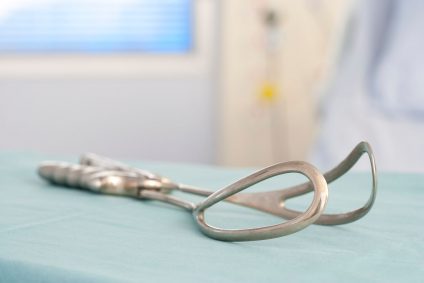
Obstetric forceps

I’ve been writing recently about the moral panic surrounding C-sections.

A moral panic is a widespread fear, most often an irrational one, that someone or something is a threat to the values, safety, and interests of a community or society at large.

The handwringing about the high US C-section rate of 32% is a widespread fear, generally irrational that C-sections are a threat to the safety of women and babies.

[pullquote align=”right” cite=”” link=”” color=”” class=”” size=””]More babies and mothers were injured by attempting to avoid C-section than by C-sections themselves.[/pullquote]

The World Health Organization’s “optimal” C-section rate of less than 15% is Exhibit A in the moral panic. The WHO continues to cling to this fabricated figure despite:

Acknowledgement there is not and has never been any evidence that 15% is the optimal rate
Best studies to date demonstrate a minimal rate compatible with low perinatal and maternal mortality of 19%
International data that shows that C-section rates of over 42% are compatible with excellent outcomes

Exhibit B is the recommendation to reduce the C-section rate by promoting operative vaginal delivery (forceps and vacuum) instead. One of the reasons why the US C-section rate has increased is because operative vaginal delivery has fallen out of favor. The recommendation to revert to operative vaginal delivery makes no sense because the risk of severe perinatal injury and severe maternal injury are increased by operative vaginal delivery compared to C-section.

The 2017 paper Perinatal and maternal morbidity and mortality among term singletons following midcavity operative vaginal delivery versus caesarean delivery is yet more evidence of the harmful effect of operative vaginal birth.

What is operative vaginal delivery?

It is a procedure (using forceps or obstetric vacuum) used to deliver a baby during the pushing phase of labor. It is used for two main reasons: the baby doesn’t fit (dystocia) or fetal distress. The station of the baby’s head determines whether an operative vaginal delivery is midcavity, low or outlet.

…At midcavity station the leading part of the fetal skull is between 0 and 2 cm below the spines, at low cavity it is >2 cm below the ischial spines but not on the pelvic floor, and at outlet station the leading part of the fetal skull is on the pelvic floor and visible.12 Operative vaginal deliveries at midcavity require the greatest operator skill and experience; consequently, it is at midcavity station that the decision between operative vaginal delivery and caesarean delivery presents a serious challenge…

This study involves midcavity operative vaginal delivery and looks at severe perinatal and maternal morbidity.

Severe perinatal morbidity/mortality included convulsions, assisted ventilation by endotracheal intubation, 5-minute Apgar score <4, severe birth trauma (intracranial haemorrhage, skull fracture, severe injury to the central or peripheral nervous systems, long bone injury, subaponeurotic haemorrhage, and injury to liver or spleen), stillbirth and neonatal death. Severe maternal morbidity included severe postpartum haemorrhage (requiring transfusion), shock, sepsis, obstetric embolism, cardiac compli- cations and acute renal failure. Secondary outcomes included respiratory distress in the infant (including hya- line membrane disease, idiopathic respiratory distress syndrome, transient tachypnoea of the newborn and other neonatal respiratory distress), postpartum haemorrhage, as well as birth and obstetric trauma. Birth trauma included intracranial haemorrhage, injury to the central or peripheral nervous systems, injury to the scalp or the skeleton, and other birth injury. Obstetric trauma included severe perineal lacerations (third- and fourth-degree), cervical and high vaginal laceration, pelvic haematoma, obstetric injury to the pelvic organs, pelvic joints or ligaments, and other obstetric trauma.

They used an intention-to-treat analysis:

Women who had a failed operative vaginal delivery (and eventually delivered by caesarean) were included in the operative vaginal delivery group. This ensured a clinically appropriate comparison of the different modes of delivery using an intention-to-treat framework.

What did they find?

Among deliveries with dystocia, attempted midcavity operative vaginal delivery was associated with higher rates of severe perinatal morbidity/mortality compared with caesarean delivery (forceps ARR 2.11, 95% CI 1.46–3.07; vacuum ARR 2.71, 95% CI 1.49–3.15; sequential ARR 4.68, 95% CI 3.33–6.58). Rates of severe maternal morbidity/mortality were also higher following midcavity operative vaginal delivery (forceps ARR 1.57, 95% CI 1.05–2.36; vacuum ARR 2.29, 95% CI 1.57–3.36). Among deliveries with fetal distress, there were significant increases in severe perinatal morbidity/mortality following attempted midcavity vacuum (ARR 1.28, 95% CI 1.04–1.61) and in severe maternal morbidity following attempted midcavity forceps delivery (ARR 2.34, 95% CI 1.54–3.56).

The results are expressed in this table:

920A4F32-9FF5-46D4-8252-1D14EAC72B13

I graphed the overall results for severe perinatal and maternal morbidity:

55C178FE-7D9A-4F4F-A30E-3F5747C29F54

It’s easy to see that operative vaginal delivery increases the risk of both severe perinatal and severe maternal outcome. The greatest risk is sequential application: for example the vacuum is tried but doesn’t work and then forceps are tried.

The authors explain:

…[A]ttempted midcavity operative vaginal delivery was associated with an increased risk of severe perinatal morbidity/mortality compared with caesarean delivery. The magnitude of the increased risk varied by indication for delivery, being significantly larger in the dystocia group relative to the fetal distress group. This difference in the effect of attempted operative vaginal delivery by indication appears to reflect the greater fetal jeopardy associated with fetal distress and the consequent higher baseline rate of adverse outcomes even in the caesarean delivery group. We also found substantially greater risk of birth and obstetric trauma following operative vaginal delivery compared with caesarean delivery, with 2.8- to 8.5- fold higher rates depending on indication and instrument.

And for mothers:

The increase in severe maternal morbidity following midcavity forceps delivery was primarily due to the increased rate of severe postpartum haemorrhage…

Third- and fourth-degree perineal laceration rates in our study were high following midcavity operative vaginal delivery. Similar high rates have been reported in other recent studies of operative vaginal delivery… With rates of obstetric anal sphincter injury as high as 23.0% following attempted midcavity forceps deliveries, it is imperative that the risks and relevant long-term quality-of-life implications for pelvic floor health of attempted midcavity operative vaginal delivery be discussed with women both in the antenatal period, as well as during labour (as currently done with regard to the surgical risks associated with caesarean delivery).

Every midcavity operative delivery was attempted in the express effort to avoid a C-section because of the purportedly harmful consequences of C-sections. Yet the “cure” turned out to be worse than the “disease.” More babies and mothers were injured by attempting to avoid C-section than by C-sections themselves.

The bottom line is that attempting to lower the C-section rate by substituting midcavity operative vaginal birth is bizarre because operative vaginal delivery is harmful.

There is nothing wrong with a high C-section rate. It is completely compatible with excellent perinatal and maternal outcomes. The current handwringing about C-section rates is the result of moral panic, generally irrational, and we should get over it.

Performing privilege in pregnancy

BA7039F0-8BB5-4119-A303-005846F16E73

The natural childbirth industry — midwives, doulas and childbirth educators — have a firm idea of what childbirth should look like: an unmedicated vaginal birth, supervised by a midwife and supported by a doula, complete with elaborate birth plan (she’s “done her research), immediate breastfeeding and 24 hour rooming in with the baby.

They appear to have no idea how much privilege is required to meet their expectations.

[pullquote align=”right” cite=”” link=”” color=”” class=”” size=””]Natural childbirth advocates aren’t superior mothers, just white, well off women who are oblivious to their own privilege.[/pullquote]

What is privilege?

According to a New Yorker article, The Origins of “Privilege”:

…[T]he concept really came into its own in the late eighties, when Peggy McIntosh, a women’s-studies scholar at Wellesley, started writing about it. In 1988, McIntosh wrote a paper called “White Privilege and Male Privilege: A Personal Account of Coming to See Correspondences Through Work in Women’s Studies,” which contained forty-six examples of white privilege. (No. 21: “I am never asked to speak for all the people of my racial group.” No. 24: “I can be pretty sure that if I ask to talk to the ‘person in charge,’ I will be facing a person of my race.”) …

As McIntosh explained in her paper:

I think whites are carefully taught not to recognize white privilege, as males are taught not to recognize male privilege. So I have begun in an untutored way to ask what it is like to have white privilege…

I have come to see white privilege as an invisible package of unearned assets that I can count on cashing in each day, but about which I was “meant” to remain oblivious. White privilege is like an invisible weightless knapsack of special provisions, assurances, tools, maps, guides, codebooks, passports, visas, clothes, compass, emergency gear, and blank checks.

In the setting of childbirth, privilege is also a set of assets a woman can count in on cashing in, and to which she is by and large oblivious. Indeed, it would be accurate to say that natural childbirth is basically performing privilege in pregnancy.

McIntosh lists 46 assets of white privilege to which most white people are oblivious. I’ve created a list of 25 assets of pregnancy privilege to which the natural childbirth industry and its advocates are equally oblivious.

1. My pregnancy is planned and wanted.
2. I am healthy.
3. I have health insurance.
4. I have a choice of healthcare providers and do not have to rely on a clinic.
5. I can access a hospital that has excellent statistics for neonatal and maternal outcomes.
6. I can be sure that the majority of my caregivers belong to my racial and demographic group.
7. I speak English.
8. I am married or have a reliable long term partner who is available to care for me when needed.
9. I have easy access to and can afford healthy food.
10. I can afford books on pregnancy.
11. I can afford to take childbirth classes.
12. I may have to sacrifice, but if I wish I can afford a doula or midwife.
13. I can hire a birth photographer.
14. I can afford weeks or months of maternity leave from my job.
15. I have easy, reliable access to the internet so I can share information with other pregnant women.
16. I can write well enough to create a birth plan.
17. I am not a victim of domestic violence.
18. I am not addicted to alcohol or drugs.
19. If I have older children, I have family or friends to care for them when needed.
20. I can create a baby registry on the assumption that I and my friends can afford to purchase new baby items.
21. I can afford a breast pump.
22. I have a job that offers both privacy and time to pump without loss of income.
23. I have a spouse or partner who is supportive of breastfeeding.
24. I don’t face a dramatically increased risk of premature birth.
25. I don’t face a dramatically increased risk of maternal death

McIntosh writes about her reluctance to acknowledge white privilege:

… The pressure to avoid it is great, for in facing it I must give up the myth of meritocracy. If these things are true, this is not such a free country; one’s life is not what one makes it; many doors open for certain people through no virtues of their own. These perceptions mean also that my moral condition is not what I had been led to believe. The appearance of being a good citizen rather than a troublemaker comes in large part from having all sorts of doors open automatically because of my color.

The refusal of the natural childbirth industry to acknowledge pregnancy privilege (a combination of racial/economic/educational privilege) comes from a similar place. If pregnancy privilege exists, natural childbirth advocates’ moral condition is not what they wish to believe. The appearance of having a “good” birth come not from merit or hard work, but merely from having advantages that other women don’t have. They aren’t superior mothers; they are merely white, well off women who are oblivious to their own privilege.

What if C-sections are better and safer than vaginal birth?

time for change, concept of new, life changing and improvement

In the world of childbirth, it is axiomatic that C-sections are “bad,” high C-section rates are “epidemic” and massive efforts should be directed toward lowering the C-section rate.

But what if C-sections are better and safer than vaginal birth? What if — despite initial risks and costs — they prevent serious, life altering, expensive complications in the future.

An editorial in The American Journal of Obstetrics and Gynecology raises that possibility.

[perfectpullquote align=”right” cite=”” link=”” color=”” class=”” size=””]Shouldn’t we be offering all pregnant women a choice of elective C-section?[/perfectpullquote]

As Dr. Catherine Bradley explains:

Pelvic organ prolapse (POP) is a benign gynecological condition that has an impact on many women. An estimated 13% (1 in 8) of US adult women will undergo surgery for POP by the age of 80 years, suggesting a great many more women will experience POP symptoms but may seek nonsurgical care or no intervention. Milder POP (prolapse that remains inside the hymen with straining) is usually asymptomatic, but moderate to severe POP is associated with significant and negative effects on women’s daily life activities, including bothersome vaginal bulge or protrusion symptoms, obstructive urinary and defecatory symptoms, sexual dysfunction, and impaired quality of life with effects on mood, sleep, relationships, and social activities.

Although the causes are multifactorial, vaginal birth is the biggest risk factor.

…[I]ncreasing evidence suggests vaginal birth is the most important risk factor for POP, particularly in those presenting at younger ages. Researchers have identified postdelivery levator ani injuries, identified as levator tears and ballooning, as key factors connecting vaginal birth and the development of POP.

A 2011 paper by Handa et al. makes this clear.

292717E0-54C0-47FF-A0E4-0F8EBCE1B2F5

Compared with cesarean without labor, spontaneous vaginal birth was associated with a significantly greater odds of stress incontinence (odds ratio [OR] 2.9, 95% confidence interval [CI] 1.5–5.5) and prolapse to or beyond the hymen (OR 5.6, 95% CI 2.2–14.7). Operative vaginal birth significantly increased the odds for all pelvic floor disorders, especially prolapse (OR 7.5, 95% CI 2.7–20.9). These results suggest that 6.8 additional operative births or 8.9 spontaneous vaginal births, relative to cesarean births, would lead to one additional case of prolapse…

In other words, 1 in every 9 women who have a vaginal birth instead of a C-section will go on to develop pelvic organ prolapse. The number is even higher for operative (forceps or vacuum) vaginal birth. One in 7 women who undergo operative vaginal delivery instead of C-section will develop POP.

The consequences are not trivial and a great deal of  vaginal surgery including hysterectomy is done to correct it. That doesn’t count the expense of incontinence pads and the impact on women’s quality of life and sexual function.

We’ve known for a long time that C-sections are safer for babies. It has been nearly 10 years since I first wrote about article Neonatal Morbidity and Mortality After Elective Cesarean Delivery by Signore and Klebanoff appeared in the June 2006 special issue of Clinics in Perinatology focussing on the epidemiology and neonatal effects of C-section.

The authors conducted a decision analysis:

modeling the probability of perinatal death among a hypothetical cohort of 2,000,000 women who had uncomplicated pregnancies at 39 weeks, half of whom underwent ECD and half managed expectantly. After taking multiple chance probabilities into account, the model estimated that although neonatal deaths were increased among women delivered by elective cesarean, overall perinatal mortality was increased among women managed expectantly, because of the ongoing risk for fetal death in pregnancies that continue beyond 39 weeks.

They found that C-sections were dramatically safer for babies:

91022149-9E51-4CF5-A68A-5A7CE7515FCA

In other words, if 1 million women underwent C-section at 39 weeks instead of waiting for onset of labor and attempting vaginal delivery, 692 more babies would be saved, 517 cases of intracranial hemorrhage and 377 brachial plexus injuries would be prevented. In exchange, there would be 8476 additional cases of short term respiratory problems, 5536 neonatal lacerations, and 2212 additional cases of postpartum hemorrhage.

Given the short and longterm benefits of C-sections to both babies and mothers, shouldn’t we reconsider our knee-jerk rejection of maternal request C-sections? Shouldn’t we be offering all pregnant women a choice of elective C-section?

Imagine if men experienced lacerations, incontinence and sexual dysfunction in order to have children. Do you think anyone would be wailing about a C-section “epidemic” then? Or would C-sections become as popular as Viagra?

B8BB64A0-1B82-4A7B-A773-C06BC24DC96F

What do women want in childbirth? Pain relief!

6B600747-D028-4744-A6D9-BFA1A4E3BACC

A few weeks ago I wrote about the farce that is the World Health Organization recommendations Intrapartum care for a positive childbirth experience. How could the WHO determine what women consider a positive birth experience? Surely they asked women, right.

No, they didn’t. They asked midwives to opine on what THEY believe women want and, predictably they insist that women what midwives offer. According to the press release:

[pullquote align=”right” cite=”” link=”” color=”” class=”” size=””]”Will never give birth naturally again. Even if I have to pay for csection, I will.”[/pullquote]

Many women want a natural birth and prefer to rely on their bodies to give birth to their baby without the aid of medical intervention.

That is nothing more than self-serving bullshit. If you want to know what women want in labor it makes sense to look at what women themselves say.

Consider this thread on the UK mothering website Mumsnet. Keep in mind that all women received midwife care.

This is the original post:

Had DS a month ago tomorrow and the labour was the most horrendous experience I’ve ever been through.

Even my mum who has had 5 children described it as traumatic…

Has anyone else felt the same? Gotten over it? Done it again?!?’

The 320 responses are illuminating. Here are 20:

1. “My DD2 wouldn’t exist if I hadn’t been guaranteed a CS for a second baby…”

2. “My labour was 26h of pure painful hell (I was convinced I will die from pain/heart attack) only to have an Emergency section at the end of it. Recovery in hospital was awful, they totally did not care.”

3. “I was injured so badly the first time I was told I’m not allowed to have a vaginal birth ever again. I had more babies because I knew it would be a c-section (and my breach twins made sure of that anyway).”

4. “I had a traumatic first birth including 3rd degree tear. I had an elective csection for my second child 4 years later and it was fantastic. It was a really positive experience all round (recovery took longer but wasn’t overly painful)…”

5. “Totally felt like that and still can’t ‘put myself’ in the memories of DS1’s birth, it was horrific. Elective C section for DS2 was a wonderful, calm experience, no more traumatic than a dental check up. If you do come around to wanting a second, I highly recommend looking into a ELCS.”

6. “My first was a horror show. Induced at ten days over, hours of agony with the midwives telling me I wasn’t even in labour yet and to basically get a grip … followed by epidural that didn’t fully work so still pain on one side…labour lasted 36 hours then baby was tugged out by a bloke with bulging muscles and one foot on the bed for leverage. Baby born with cuts and bruises from forceps and I was stitched from here to kingdom come while a cleaner had to get a mop and bucket to clear up the blood.”

7. “My labour was 50 hrs of hell, ending in an episiotomy and forceps in theatre… I couldn’t discuss my labour/birth for weeks without crying.

We had to take him back to the same hospital for physio (he was stuck, hence the 50 hrs, bad neck) and I had a panic attack in the car when we drove past the parking spot we parked in when I went to deliver.”

8. “The whole setup at the moment is really patronising to women and far too Pollyanna ish. The idea that ANY birth can be ok if you just breathe/don’t technique does women a gross disservice. It leaves women shocked and traumatised when things go wrong and makes them think it’s their fault for not following method x enough.

The type of birth you get is basically down to how the baby lies on the day plus the interaction with your own anatomy. From the get go, some births are going to be easier and some harder. Some will never be ok without intervention. And those women are often the ones ending up with pnd because they think they should have been able to breathe through it. There’s FAR too much pressure on women to ‘do it naturally’ when this is just not the best way for all women.”

9. “[W]ill never give birth naturally again. Even if I have to pay for csection, I will.”

10. “DD has just turned seven. I would rather die than go through childbirth/sick baby in NICU etc again. Though I don’t have flashbacks any more so that’s something.

… I genuinely would kill myself if I got pregnant.”

11. “I gave birth in France … The midwife told us a lot of it was down to luck – the length of labour you could expect, the size of the baby in relation to to the size of your pelvis and the baby’s position. That’s why you are offered excellent pain relief options in France and most women have an epidural (which contrary to everything I’d heard from an NCT friend in the UK didn’t slow things down and make it more difficult to push – it just made everything more tolerable). The aim there is to make everything as quick and painless as possible so you can get back to normal ASAP – they even throw in a course of pelvic physio for all new mums.”

12. “I wasn’t afraid of giving birth. However the birth was horrific from start to finish, dc and I were severely let down, the staff were awful (except the midwives who delivered dc in the end) and put us both in danger, the pain was horrific and their failings continued after baby was born.”

13. “I had my daughter 6 years ago and I have not forgotten the trauma I went through. I would love another baby and so would my partner but I am so scared! I still have problems now because I was pushing for so long (3hrs) I ended up with an anal fissure which has never healed. I’m never pushing anything out of there again.

My sisters both had planned sections and their experiences were so lovely…”

14. “The pregnancy was hell
The birth was hell
The post-birth recovery was hell
Breastfeeding was hell
The sleep deprivation was hell
The PND/PTSD was hell
The SIDS anxiety was hell
The colic and reflux was hell
The loss of my identity was hell
The loneliness was hell
The impact it had on my relationship with DH was hell

Don’t get me wrong, my child is my life, my world and my everything. I don’t regret him…”

15. “I didn’t see it coming AT ALL. I just feel naive now. I had a great pregnancy, spent hours preparing a hypnobirth, thought I’d be on my birthing ball or bobbing around in the pool. Nothing went to plan. Nothing. We both nearly died. I ended up having an emergency c-section and my heart nearly gave out … and the pain after that – fuck me – (gallons and gallons of water and blood shooting out of a tear in my scar for weeks afterwards). It was awful. I felt like a proper dick at the two-page birthing plan I wrote full of hippy-dippy, yoghurt-knitting, dolphin-singing malarky. I thought acupuncture would get me through the pain…”

16. “It took me over a year to even contemplate having sex again. And I’d decided that I’d only have another child if I could have an ELCS. We had money saved for house restorations which we would have spent on private care had I not been granted one on the NHS …”

17. “I knew in a flash I would never be able to go through it again as soon as it was over. I was in that much agony that I was literally convulsing and my head was repeatedly and uncontrollably hitting the side of the birthing pool, I eventually gave up trying not to scream, as it was impossible not to, it was coming out like a reflex action like when you vomit. there was a couple of points where I struggled to keep my head above the water as the violence of the pain was moving my body about uncontrollably. The midwives repeatedly refused my requests for pain relief throughout the entire labour as it was still apparently too early…..she then shot out. For days after, all up the back of my head and neck felt like it had been hit with a baseball bat! 4 years later, I am never going back.”

19. “I had PTSD following the birth of my son. Long, neglected labour and frankly abuse midwife. I went in excited to be giving birth and having a baby and came out a changed person… Fast forward 9 years later and I did do it again … I did Hypnobirthing, worked on my birth anxiety and…. daughter was born prematurely at 33 weeks by EMCS!!! Despite that though it was a much, much more positive experience and one I can live with.”

20. “I’d consider doing it again if:
– guaranteed an elcs
– wouldn’t go to a hospital signed up to the Baby Friendly Initiative
– would buy in help after the birth as it was such a struggle with no family support”

What made these births traumatic? Although a few of the 320 comments referred to unwanted interventions, most — like those I quoted above — found the agonizing pain to be particularly traumatic. In some cases women were refused epidural anesthesia; in some case the epidural didn’t work; and in some case women were forced to rely on the far less effective method of breathing nitrous oxide.

Another theme that emerges is how subsequent deliveries were far better for two main reasons; either they were less painful or they were C-sections, often elective.

I challenge anyone to read all 320 comments and conclude that most women want to give birth naturally without interventions. That’s a lie created by midwives to promote themselves.

Many of the commenters did give birth naturally and without interventions and they’ve been suffering from the mental and physical consequences ever since.

The patriarchy dismisses women’s pain; the matriarchy glorifies it

63242689-13CA-4C34-9D28-A0441897CEA2

Two new books have just been published about women and pain.

Abby Norman wrote Ask Me About My Uterus; A Quest to Make Doctors Believe in Women’s Pain, about her efforts to find physicians that would take her pain from endometriosis seriously.

[pullquote align=”right” cite=”” link=”” color=”” class=”” size=””]Ignoring women’s pain has been raised to high art by the matriarchy in the form of the natural childbirth movement.[/pullquote]

…Norman describes what it was like to have her pain dismissed, to be told it was all in her head, only to be taken seriously when she was accompanied by a boyfriend who confirmed that her sexual performance was, indeed, compromised. Putting her own trials into a broader historical, sociocultural, and political context, Norman shows that women’s bodies have long been the battleground of a never-ending war for power, control, medical knowledge, and truth…

Maya Dusenbery has written Doing Harm: The Truth About How Bad Medicine and Lazy Science Leave Women Dismissed, Misdiagnosed, and Sick.

Dusenbery explores the deep, systemic problems that underlie women’s experiences of feeling dismissed by the medical system. Women have been discharged from the emergency room mid-heart attack with a prescription for anti-anxiety meds, while others with autoimmune diseases have been labeled “chronic complainers” for years before being properly diagnosed. Women with endometriosis have been told they are just overreacting to “normal” menstrual cramps, while still others have “contested” illnesses like chronic fatigue syndrome and fibromyalgia that, dogged by psychosomatic suspicions, have yet to be fully accepted as “real” diseases by the whole of the profession.

Both books blame the patriarchy for dismissing women’s pain.

As a review of Norman’s book in The New Republic, The Reality of Women’s Pain explains:

And yet, women are everyday confronted with forces eager to deny the reality of their pain—whatever its form, and however insistently it clamors… Accepting the reality of women’s pain would compel a new—to many, nettlesome—gender dynamic, correcting for the many years when women have been treated as a footnote or afterthought in medicine. It would require the acknowledgment of guilt from some quarters, not by the patient as so often has been the case.

Whose fault is this?

Women’s suffering has often been unnecessary—disturbingly so. Rather, it has been imposed through the negligence, complacency, and apathy of a male-dominated field. After all, discounting women’s pain is no mere accident or bad habit—it has served as a strategy for protecting men and the world that serves them.

That’s true as far as it goes, but what neither author appears to address (I haven’t yet read the books) is that ignoring women’s pain has been raised to high art by the matriarchy in the form of the natural childbirth movement. Childbirth pain isn’t merely discounted; it is celebrated.

Grantly Dick-Read, the father of the natural childbirth movement, was an avatar of patriarchal medicine. As Laura Briggs argues in The Race of Hysteria: “Overcivilization” and the “Savage” Woman in Late Nineteenth-Century Obstetrics and Gynecology, the heart of Dick-Read’s philosophy — comparison between “overcivilized” white women and “primitive” women who gave birth easily — was not merely a racist fantasy, but reflected the anxiety that men felt about women’s increasing emancipation.

This anxiety over women’s increasing education, independence and political involvement was expressed in medicine generally, and in obstetrics and gynecology particularly, by the degeneration of women’s natural capabilities in fertility and childbirth compared to her “savage” peers. Simply put, the result of women insisting on increased education, enlarged roles outside the home and greater political participation was that their ovaries shriveled, they suddenly began to experience painful childbirth.

Surely then the nearly exclusively female natural childbirth industry of midwives, doulas and childbirth educators would take the pain of childbirth seriously and treat it aggressively. Instead they have done the exact opposite; they have insisted that it should be glorified instead of treated. Dick-Read lied when he said that “primitive” women do not have pain in labor. The natural childbirth industry goes one better and lies that childbirth pain is beneficial, should be celebrated and on no account should ever be abolished.

The motive for the patriarchy in discounting women’s pain was their contemptuous sexism and their selfish fear that women’s emancipation threatened them. The motive for the matriarchy in discounting women’s pain and even glorifying it is their selfish fear of economic competition from doctors who can effectively treat childbirth pain with epidurals. The victims in both cases are women whose pain and anguish are thoroughly ignored.

The traditional medical patriarchy was grossly remiss in dismissing women’s pain and they should be called to account. But as the advent, refinement and widespread use of the epidural demonstrates, they do attempt to treat women’s pain. The natural childbirth matriarchy is worse; they don’t merely disbelieve women, they evince the utmost contempt for women by celebrating their agony in childbirth. It is long past time that the matriarchy be called to account.

The American Breastfeeding Crisis of 2027

Eyes close-up little boy

This post is speculative fiction.

A thesis submitted

in partial fulfillment of the requirements for the degree of

Master of Public Health

May 2052

INTRODUCTION

From the vantage point of May 2052, the American Breastfeeding Crisis of 2027 seems impossible to fathom. As early as 2020, elementary school teachers had been pointing to the rising rate of learning and conduct issues — previously seen most commonly among poor children deprived of adequate early nutrition — in an otherwise privileged cohort of Western, white children of high socio-economic status. This was initially thought to be evidence of a harmful exposure to an environmental toxin and throughout the early 2020’s vigorous investigative efforts were made to identify the source.

It was gradually realized that although the crisis was indeed of our making, the environmental “toxin” was not a substance but rather the relentless effort to promote breastfeeding that had been underway for decades but reached a peak in the first quarter of the 21st Century. Simply put, an entire generation of children was demonstrating the insidious effects of early infant starvation and resulting brain injuries. American policy makers and health officials had inadvertently created an artificial “famine” among the very young by refusing to acknowledge the limitations of exclusive breastfeeding and making infant formula expensive and difficult to obtain.

Why did Americans unwittingly starve their youngest, most vulnerable citizens? The artificial breastfeeding famine resembles other much larger artificial famines — The Irish Potato Famine, the Stalinist Famine of 1932, and the Great Chinese Famine of 1959-1961 in that the causes were ideological, not natural.

When the potato blight destroyed the crop repeatedly in Ireland of the late 1840’s, the island was still producing substantial amounts of grain that could have fed the majority Catholic population living at a subsistence level. Instead the grain was shipped to England by Protestant land owners for outsize profits, a result of the British Corn Laws that kept the price of grain artificially high. British politicians justified the suffering that the famine produced with economic and moral arguments. They argued that the natural laws of economics meant that providing aid to the population would destroy the economy and they insisted that that Irish Catholics were in part responsible for the tragedy due to their lazy, shiftless ways.

The Great Stalinist and Chinese Famines also had their roots in government policy, in this case the collectivization of farming and the spread of agricultural pseudoscience like Lysenkoism. Millions died but they were seen as deserving of their misfortune because they opposed government efforts.

As this thesis will explain, the American Breastfeeding Crisis was the result of a tragic mix of ideology, pseudoscience and economics. The ideology was lactivism, the pseudoscience was the tremendous exaggeration of breastfeeding’s benefits while simultaneously hiding its risks, and the economics was the rise of a group of medical paraprofessionals — lactation consultants — whose income was entirely dependent on promoting breastfeeding regardless of the consequences.

During the 2010’s a growing body of research findings documented the pernicious effects of aggressive breastfeeding promotion:

The incidence of newborn hypernatremic dehydration rose dramatically
Over 90% of cases of jaundice induced brain damage (kernicterus) were the result of breastfeeding
Breastfeeding was found to double the risk of newborn hospital readmissions
Many cases sudden unexplained infant collapse was related to babies being smothered in their mothers’ beds
A rise in skull fractures and deaths of infants falling from maternal hospital beds.

In response, the breastfeeding industry blamed everything but breastfeeding. Just as British politicians insisted that the Irish Potato Famine was the result of the laziness and sloth of the Irish themselves, the lactation industry insisted that insufficient breastmilk was the result of the laziness and sloth of breastfeeding mothers themselves.

Just as British politicians introduced draconian policies meant to discourage access to soup kitchens, the breastfeeding industry introduced draconian policies meant to discourage access to formula: banning it in hospitals, requiring women sign shaming consent forms for access, refusing to allow formula to be advertised, etc.

Just as British politicians invoked the “natural” laws of economics, the breastfeeding industry invoked nature itself, conveniently ignoring the fact that all natural processes have failure rates. Indeed, there is nothing more natural than a dead baby.

What changed in 2027? White, well off Americans of the 2020’s were obsessed with the educational achievements of their children. Indeed, one of the favored exaggerations of the breastfeeding industry was that breastfeeding increased IQ. Research ultimately conclusively demonstrated not merely that breastfeeding does not increase IQ, but that insufficient breastmilk, particularly in the early days of infancy, decreases IQ and leads to disorders of executive functioning.

How could the breastfeeding industry itself as well as the public at large fail to see the damage that aggressive breastfeeding promotion was causing? How could they turn away from the suffering that resulted? Cultural beliefs provided complete justification. Lactivists and lactation consultants believed with every fiber of their being that breastfeeding was always good, never failed, and anyone who claimed otherwise was either lazy or under the sway of formula manufacturers. But then British politicians believed with every fiber of their being that the “natural” laws of economics were immutable, never failed and anyone who claimed otherwise was either lazy or under the sway of radicals.

And in both cases, children suffered terribly as a result.

This post is speculative fiction.

The pro-gun lobby imagines guns as vaccines; in reality they’re the disease.

Weapons and military equipment for army, Assault rifle gun (M4A1) and pistol on camouflage background.

Today’s New York Times features an opinion piece by journalist Bethany Mandel entitled I Wanted to Be a Good Mom. So I Got a Gun.

She tells the standard “good guy with a gun” story from her childhood:

[pullquote align=”right” cite=”” link=”” color=”” class=”” size=””]Guns don’t “immunize” against gun deaths; they make them MORE likely.[/pullquote]

It was a spring night and I was sleeping with my window open, which was right above my bed; I loved breathing in the fresh air. That night, in that open window, I heard the banging of a ladder, and by the time my mother made it into the room and began loading her gun, a man was about to climb in.

She said something along the lines of: “Bethany, come over here. I don’t want you to get his brain matter on your face.” I backed up behind her and my mother raised her gun. The would-be intruder slowly backed down the ladder. As he climbed down, my mother approached. The barrel of her rifle was inches away from his face and she told him, “Next time you come here, I won’t hesitate.”

And she points out that she faces a known threat:

After years of receiving death threats for my conservative views, months of being attacked by the alt-right and then having our address published online by the neo-Nazi Daily Stormer, I pushed myself to finally go through the process of asking friends for letters attesting to my character, obtaining fingerprints and submitting to background checks.

I was given a reason to feel that I needed to defend myself and my family. And I acted on it.

Mandel, like many in the pro-gun lobby, seems to view guns as a vaccination against crime and violence. The thinking — at an unconscious level — is that a gun will protect its owner in the same way that a vaccine will protect its recipient. In both cases the potential victim will be armed and ready when the unwelcome intruder or disease comes to call.

Unfortunately Mandel, like most of the pro-gun lobby, has drawn the wrong analogy. A weapon in the home isn’t a vaccine against violence. It’s the disease!

But wait, you say, the connection between owning a gun and preventing victimization is just a matter of common sense. Science tells us differently and is filled with countless example of “common sense” views that were destroyed by careful scientific research. It was “common sense” for countless generations to believe that the Earth is flat since it seems flat. Scientific research showed otherwise. It was common sense for countless generations to believe that disease was caused by just about anything except its true cause: bacteria and viruses too small to see with the naked eye.

Similarly, it is common sense to believe that owning a gun is protective. Scientific evidence shows otherwise.

According to Children’s Hospital of Philadelphia:

  • …In 2014, 2,549 children (age 0 to 19 years) died by gunshot and an additional 13,576 were injured…
  • Among children, the majority (89%) of unintentional shooting deaths occur in the home. Most of these deaths occur when children are playing with a loaded gun in their parent’s absence.
  • People who report “firearm access” are at twice the risk of homicide and more than three times the risk of suicide compared to those who do not own or have access to firearms.
  • Suicide rates are much higher in states with higher rates of gun ownership, even after controlling for differences among states for poverty, urbanization, unemployment, mental illness, and alcohol or drug abuse.
  • Among suicide victims requiring hospital treatment, suicide attempts with a firearm are much more deadly than attempts by jumping or drug poisoning — 90 percent die compared to 34 percent and 2 percent respectively…
  • States implementing universal background checks and mandatory waiting periods prior to the purchase of a firearm show lower rates of suicides than states without this legislation…
  • In states with increased gun availability, death rates from gunshots for children were higher than in states with less availability.
  • The vast majority of accidental firearm deaths among children are related to child access to firearms — either self-inflicted or at the hands of another child.
  • Domestic violence is more likely to turn deadly with a gun in the home. An abusive partner’s access to a firearm increases the risk of homicide eight-fold for women in physically abusive relationships.

Guns may protect people in certain situations, but overall they dramatically increase the risk of death. Claiming that the solution to a “bad guy with a gun” is a “good guy with a gun” is like claiming that the solution to a smallpox epidemic is to give everyone smallpox. True, you won’t catch smallpox from your neighbor if you already have it, but you’ll be just as dead when you die of smallpox given to you instead of caught by another.

Similarly if you own a gun you might be less likely to be shot by a stranger, but you’ll be far more likely to be shot by a family member or yourself. You’ll be just as dead whether the gun was held by friend or foe.

Guns are not vaccines. They don’t “immunize” you from gun violence. The gun is the disease. As a result owning a gun makes you and your family MORE likely to die from gun violence than to prevent it. That may not be “common sense,” but it is true nonetheless.

Natural childbirth industry shocked; pretending vaginal birth has no risks increases women’s suffering

Woman with distressed expression holding a baby

Who knew?

It turns out that vaginal birth has risks and the suffering doesn’t end when the baby is delivered.

Among the typical symptoms women face in the first week after childbirth: heavy bleeding, abdominal cramping, constipation, hemorrhoids, chills, night sweats, difficulty going to the bathroom, engorged breasts, back pain, headaches. And it goes on: pain in the perineum (the diamond shaped sling of muscles in the pelvis), incision pain (if the woman has had a C-section), pain and difficulty walking (after an episiotomy or tear), depression, anxiety, and exhaustion.

The pain can last for weeks:

[pullquote align=”right” cite=”” link=”” color=”” class=”” size=””]They demonize the one procedure that can protect the pelvic floor and recommend the one that is most likely to destroy it.[/pullquote]

About half of women who give birth are still in pain weeks later. More than 40 percent of women who delivered vaginally reported perineal pain, and nearly 60 percent who had C-sections experienced incision pain within two months of childbirth … Nearly 80 percent of mothers surveyed said pain interfered with their daily activities. One in three reported urinary or bowel problems.

Why is this happening? It’s doctors’ fault!

OB-GYNs and midwives who deliver babies don’t often find postpartum problems like nerve damage and incontinence because they aren’t looking for them. As Kari Bø, pelvic floor expert at the Norwegian School of Sports Science, explains, “Gynecologists, urologists and colorectal surgeons concentrate on their areas of interest and tend to ignore the pelvic floor common to them all.”

Rather than focusing on the “three holes in the pelvis,” practitioners owe it to women to see the “whole pelvis.” Since they don’t, pelvic pain or dysfunction often goes overlooked. Nearly a quarter of women have a pelvic floor disorder. The prevalence increases with each child a woman has.

And that is pure unadulterated bullshit!

A substantial portion of gynecologic practice involves dealing with the consequences of childbirth injuries including uterine prolapse, cystocele, rectocele, urinary incontinence, fecal incontinence and fistula. Indeed there is an entire sub-specialty, urogynecology, that is devoted to nothing else.

What is a urogynecologist?

Urogynecologists are physicians who complete medical school and a residency in Obstetrics and Gynecology or Urology. These physicians are specialists with additional years of fellowship training and certification in Female Pelvic Medicine and Reconstructive Surgery. The training provides expertise in the evaluation, diagnosis, and treatment of conditions that affect the muscles and connective tissue of the female pelvic organs…

What do they treat?

Urinary incontinence: Loss of bladder control …
Interstitial cystitis and bladder pain syndromes: Discomfort related to the bladder and/or urethra
Pelvic organ prolapse: Dropping of the pelvic organs (bladder, bowel, retum, uterus, vagina)
Fecal incontinence/Accidental bowel leakage: Loss of bowel control
Urogynecologic fistula: Abnormal hole between the bladder and the vagina (vesicovaginal), the urethra and the vagina (urethrovaginal), or the rectum and the vagina (rectovaginal) …

Yarrow’s insistence that doctors don’t know anything has become something of a cottage industry for her.

The day after this nonsensical piece claiming that doctors are ignorant of pelvic floor injuries she had a different piece in The Washington Post entitled Why do we understand so little about breast-feeding?. The subtitle of the piece is “Despite the emphasis on breast-feeding, the medical establishment can offer little help to nursing moms.” That’s not true, either.

It is Yarrow who is ignorant, not doctors and her ignorance reflects the know-nothingism of the natural childbirth industry. It’s an industry based on the premise that if it is natural, it must be good. And now it is shocked to discover that natural can be very bad indeed.

Doctors have known this for millennia. Consider the episiotomy. It is anathema within the natural childbirth industry, which utterly ignores its purpose. The episiotomy was designed to protect the pelvic floor. It turns out that it didn’t work the way it was intended (it made the most serious perineal injuries more likely not less) but it reflects both the fact that obstetricians understood that childbirth led to serious pelvic floor disorders and the hope that they could be prevented.

We do know a way to mitigate pelvic floor disorders; a C-section protects the pelvic floor from the ravages of childbirth, but C-sections are anathema, too. How dare a woman have the choice of an elective C-section to protect her pelvic floor?

What’s the biggest risk factor for pelvic disorders? Obstetric forceps. That’s not surprising when you consider that it is the baby’s head that causes pelvic damage; the bigger the head, the greater the damage. Forceps, basically giant metal salad tongs, effective increase the diameter of the baby’s head while simultaneously increasing the forces on the pelvic tissues by adding the doctor’s pulling force.

Yes, a C-section is major abdominal surgery, but it is generally easy and can be accomplished in 30 minutes or less. In contrast, I’ve seen massive vaginal injuries that were caused by forceps that required multiple hours and hundreds of stitches to close. That’s one of the reasons why I never used forceps.

In the absurd moral panic around C-sections, natural childbirth advocates have promoted forceps deliveries as a way to avoid C-sections. They demonize the one procedure that can protect the pelvic floor and, in its place, recommend the one procedure that is most likely to destroy it. Does that make any sense at all?

Vaginal birth has serious risks and can lead to significant, debilitating, lifelong injuries. Doctors have always known this and tried to prevent it. Now the natural childbirth industry is shocked to discover that fact and instead of taking responsibility for their dangerous beliefs they’ve done what they always do. They reflexively blame doctors, the very people who were warning them of the risks all along.

Dr. Amy