
All posts by Amy Tuteur, MD

Breastfeeding researchers ignore WOMEN in favor of their preferred narrative

Breastfeeding research is a complete and utter joke.

Why? Because breastfeeding researchers ignore their OWN findings.

Case in point: An exploration of pregnant women and mothers’ attitudes, perceptions and experiences of formula feeding and formula marketing, and the factors that influence decision-making about infant feeding in South Africa.

Breastfeeding researchers set out to show that formula marketing has a major impact on maternal feeding choice yet found that marketing had NO impact. Despite the fact that their own data did not support their hypothesis they proceeded to recommend CONTINUED restriction of formula marketing.

To my mind the worst part is not that they ignored the scientific evidence that they collected; the worst part is that they completely ignored the WOMEN they interviewed.

The authors conducted focus groups of South African women to determine why women formula feed.

Here’s what they found … and then ignored.

1. The overwhelming majority of women plan to breastfeed:

Most women planned to initiate breastfeeding, even if it was for a short period, and very few women reported that they had intended to formula feed from birth. Even in groups where mothers were selected based on formula feeding from birth, many of the mothers had planned to breastfeed but were unable to do so.

2. Women are cognizant that most healthcare professionals believe breast is best:

Women in all groups reported that they were encouraged to breastfeed by health professionals in both the private and public sector, particularly during pregnancy. Women indicated that the strong message was always ‘breast is best’ and that the benefits of breastfeeding were the primary reason for planning to breastfeed.

3. Women stop breastfeeding because it isn’t working:

Despite initially planning to breastfeed, many women made the decision to add formula or stop breastfeeding in the days, weeks and months after delivery, most often because they experienced challenges with breastfeeding…

Once breastfeeding was initiated, breastfeeding challenges continued to be the main reason for starting formula, including pain while breastfeeding, perceived insufficient milk and inadequate weight gain.

4. Women experience relief when they add or switch to formula:

It was common for women with breastfeeding challenges to report relief that when they added formula the struggles with breastfeeding were resolved. Several women described advantages of starting formula feeding as follows:

R1: You worry less.
R2: They sleep longer.
R3: My favourite one is my husband takes the night feed. I love it.

5. Formula marketing had no impact on the decision to formula feed:

Women often turned to others for advice about feeding. Family members were important in influencing women to start formula feeding, with many women reporting being put under pressure by family members, particularly their mothers and grandmothers, to add formula if the baby appeared hungry or was crying or feeding frequently.

Health practitioners were an important influence on decision making, mothers mentioned lactation specialists, clinic nurses, pharmacy workers and doctors, mainly in the private sector, had advised them to formula feed…

6. Women resent aggressive breastfeeding promotion:

Women usually perceived the method of feeding their baby as being a choice between two comparable options, and some women strongly emphasized that the feeding method should be their choice. Women complained that they were given little or no information about infant formula, and requested more information be provided, suggesting that mothers should be given more of a balanced choice.

7. Women resent restrictions on formula advertising:

A few women expressed anger on being informed that advertising is strictly regulated and formula companies are not allowed to advertise, saying that this made getting information difficult. A number of women mentioned that they felt pressured to breastfeed, and that women who formula fed were looked down on and made to feel like bad mothers.

What did the authors conclude?

Strong, coordinated efforts are required to actively counter the arguments from formula companies that portray formula feeding as a positive lifestyle choice.

The researchers ignored everything women told them in favor of their preferred narrative.

The ugly reality is this:

Breastfeeding promotion is not about babies and it’s not about mothers. It’s a war against formula companies.

Babies and mothers are merely cannon fodder. Apparently that means that their experiences, needs and desires — as well as the scientific evidence — can be ignored.

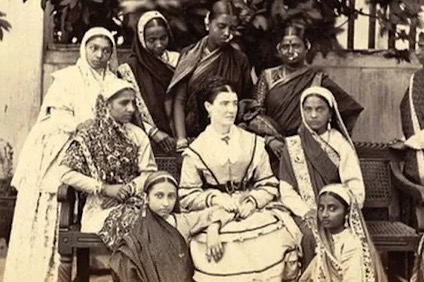
Lactivists and natural childbirth advocates are agents of the patriarchy

One of the worst aspects of patriarchal societies is that women are often pressured to meet male desires by being told it will “empowering” them.

We see it, for example, in the health moralism around weight: Every woman is still expected to torture her body into the male ideal of thin, lithe and cellulite free, but now it is presented as “healthier” instead of the ugly truth that it is what appeals to men.

Sound familiar? It should because it’s also the tactic behind marketing natural mothering ideology.

The natural mothering standard is a traditional male standard, tens of thousands of years old: women immured in the home restricted to fulfillment through their use of their vaginas, uteri and breasts and barred from fulfillment through their intellect, talents and character. All the while, the industries that profit from these sexist philosophies — natural childbirth, breastfeeding and attachment parenting — are promoting them as “empowering.”

Natural mothering ideology — natural childbirth, lactivism, attachment parenting — is all around us. It flows through natural childbirth and breastfeeding websites, parenting Facebook groups, Instagram photos and efforts to “normalize” unmedicated vaginal birth, exclusive breastfeeding, and baby wearing.

The patriarchal ideal of women barefoot, pregnant and in servitude to her children has been refashioned. Subjection to the patriarchy now means insisting that women are empowered by it. That way, every time someone critiques an unspoken requirement of mothers — unmedicated vaginal birth, exclusive breastfeeding, attachment parenting — you’re forced to frown upon something women have ostensibly chosen for themselves.

Simply put natural childbirth ideologues — like Ina May Gaskin, Sheena Byrom, Milli Hill, Lamaze International and Michel Odent — are agents of the patriarchy. Lactivists — like Prof. Amy Brown, Dr. Melissa Bartick, La Leche League and Dr. Jack Newman — are agents of the patriarchy.

“Celebrating” and “normalizing” natural childbirth and breastfeeding is just the up to the minute formula of age-old misogyny. It doesn’t make babies healthier, safer, smarter or better in any way. That’s because it’s not — and it never was — about babies.

It has always been about convincing women to subjugate themselves and calling it “empowerment”.

Why did UK midwives promote normal birth? Medical imperialism.

Why did UK midwives campaign for normal birth? Why did they continue to promote it despite an ever rising death toll?

The felt — and some still feel — duty bound to bring unmedicated vaginal birth to the benighted women who don’t understand its value.

They are practicing a form of medical imperialism.

The UK has a long, sordid history of imperialism, taking over and exploiting large parts of the world and leaving innocent dead in their wake. Over the centuries, the British invoked a wide variety of spurious justifications, but perhaps the most egregious was the insistence that they were doing it for the benefit of those they subjugated.

I was reminded of that justification when I read Milli Hill’s tweet in response to the Royal College of Midwives’ apology for the hundreds, perhaps thousands, of deaths of babies and mothers that resulted from their Campaign for Normal Birth.

I’ve seen concerted effort over the years to portray midwives as dangerous mavericks too and that seems unfair and possibly misogynistic. If any of them did have a so called ‘normal birth’ agenda it’s been spectacularly unsuccessful as intervention is currently through the roof.

It called to mind Rudyard Kipling’s famous poem justifying imperialism, The White Man’s Burden.

Take up the White Man’s burden–
The savage wars of peace–
Fill full the mouth of Famine,
And bid the sickness cease;
And when your goal is nearest
(The end for others sought)
Watch sloth and heathen folly
Bring all your hope to nought.

Milli Hill, like Kipling before her, believes she and her natural childbirth colleagues have been engaged in a ‘civilizing mission.’

As Wikipedia explains:

The western European colonial powers claimed that, as Christian nations, they were duty-bound to disseminate Western civilization to what Europeans perceived as the heathen and primitive cultures of the Eastern world.

Now, callously ignoring the dead babies and their traumatized families, some UK midwives and apologists — like any good imperialist — feel sorry for THEMSELVES because no one appreciates their good intentions. They believe with every fiber of their being that they know better than women themselves what type of birth is best for them.

It an ugly, self-justifying view of the way that they have exploited and harmed others — by denying women epidurals, preventing both necessary and maternal request interventions, killing babies and mothers in the process — to promote their ideology and benefit themselves.

The idea that their campaign must have been harmless because it ultimately did not succeed makes as much sense as insisting the British colonization of India must have been harmless because the Indians ultimately wrested back their independence.

Now British women are wresting back their independence. Her baby, her body, her birth, her choice!

UK midwives and their apologists must understand that it is not merely the Campaign for Normal Birth that has been a deadly failure, but the underlying ideology of medical imperialism — that midwives and natural childbirth advocates know what kind of birth is best for women — has no place in contemporary healthcare.

Royal College of Midwives finally apologizes for its deadly Campaign for Normal Birth

Literally hundreds, if not thousands, of babies and mothers died because of the Royal College of Midwives Campaign for Normal Birth.

Finally, FINALLY, the Royal College of Midwives has apologized.

In todays Times of London:

The head of the Royal College of Midwives (RCM) today apologises for its part in promoting “normal” births that contributed to the deaths of mothers and babies.

Gill Walton said some midwives had turned legitimate efforts to improve maternity care into a dangerous ideology that had gone too far.

She said some controversial aspects of its normal, or vaginal, birth campaign, which started in 2008, were not evidence-based. The campaign included a list of ten tips for midwives on how to achieve a normal birth, which advised them to “wait and see” and “trust your intuition” during labour.

These deaths weren’t merely entirely predictable (I predicted them as far back as the very beginning of the campaign), but they became manifest as early as 2011. Despite confirmation from multiple government reports over the following years the death toll and the liability costs continued to rise. By 2017 nearly $3.5 BILLION was paid out in a single year, amounting to 20% of the entire maternity budget!

But many UK midwives are still in denial and Walton expects “hate mail” from these influential midwives.

Walton said there remained a small number of midwives for whom normal birth had become an ideology, adding: “There will be a tiny minority that won’t be happy [with what I have said], and they will respond quite negatively. In the past, I have had hate mail where we have made our position really clear.”

She agreed influential midwives were still pushing the agenda, saying: “What worries me is if a group of people promote normal birth as better than another form of birth, that’s not putting women at the centre of care.

In addition to predicted the hideous toll of infant and maternal deaths I also predicted this apology as far back as 2015.

As I wrote publicly to a group of prominent midwives at the time:

Your behavior is unethical, immoral, self-serving and harms innocents. I don’t know how many babies and mothers will have to die before midwives will be held to account, but I do know that the day of reckoning is coming.

That day is here.

WTF is wrong with lactation “professionals”: Ukraine edition

Pardon my language, but what the fuck is wrong with these people?

How can they be so so patronizing, so sanctimonious, so cruel?

In the face of the growing humanitarian disaster caused by the Russian invasions of Ukraine, the Lithuanian Lactation and Breastfeeding Consultant Association issued this appalling statement (Facebook translation):

! IMPORTANT !

! Do not accept charity offered milk blends, bottles, pacifiers !

EXPLANATION: In critical conditions, mothers who are urged to feed the baby with a mixture will find it difficult to ensure hygiene (this requires clean boiling water, electricity, bottles, breasts, sterilizer, detergents, etc.) so more concerns arise risks of diseases: intestinal infections in babies, middle ear inflammation, upper respiratory tract infections.

PSO Breast Milk Replacement Marketing Code and its supplementary resolutions, recommendations on how states should ensure that babies and young children are fed during extreme situations, PROBABLY ADMISSION OF MILK BILLS AND OTHER Artificial Nutrition EMOTIONAL MANUFACTURERS SUPPORT BUT ANY FORM. The state must allocate resources to enable breast feeding.

Don’t offer women who are enduring bombing or attempting to flee the war infant formula, bottles or pacifiers?

What are these lactation “professionals” trying to accomplish?

They’re protecting breastfeeding at the expense of babies lives and mother’s anguish.

As Gayle Tzemach Lemmon, senior fellow at the Council of Foreign Relations pointed out in 2017:

Promoting breastfeeding is a laudable goal, but in some cases, international policy ends up determining women’s on-the-ground reality, even in wartime settings, rather than the other way around. In the process, policies run the risk of treating nursing mothers as children themselves …

This is hardly the first time that lactation “professionals” have blundered into fragile humanitarian settings to “support” breastfeeding.

The recent paper Granting Agency to Mothers in Decision Making Over Breastfeeding in Fragile Humanitarian Settings: A Call for an Emancipatory Feminist Approach makes clear that breastfeeding during humanitarian disasters is more than a matter of support:

Mothers’ inadequate nutrition in these settings can pose a restraint to sufficient breastmilk production… Reduced lactation in such settings is also attributed to be a result of stress and trauma from recent or ongoing traumatic events. In a study conducted on internally displaced persons in Eastern Ukraine, 45.7% of mothers who discontinued breast-feeding when their infants were aged less than six months listed stress related to the conflict as the primary reason. Physical … injuries due to trauma resulting from recent conflict or natural disasters have also been reported as a barrier to breastfeeding …

What should lactation professionals (and everyone else) be doing?

Recognizing the dignity, self-worth, and inherent right of mothers to exercise autonomy in decision making … this article calls for a more emancipatory feminist approach to breastfeeding practice in fragile humanitarian settings.

Indeed:

The provision of breast milk substitutes to women who, despite full knowledge of the benefits of breastfeeding, make the autonomous decision to forgo the practice due to preference, physical, or emotional inability, can have a net positive impact on child nutrition in fragile humanitarian settings by ensuring the availability of an alternative option where breastfeeding otherwise would not occur.

Moreover:

This need not represent a reversal of progress made since the adoption of the International Code of Marketing; rather, it can represent a fundamental step in the quest to balance both empowering women and optimizing children’s health in fragile humanitarian settings.

Supporting babies and mothers should ALWAYS take priority over supporting breastfeeding!

Marsden’s Mendacious Mansplaining: the “optimal” C-section rate

Earlier this week, by rescinding and abolishing C-section rate targets, the UK finally acknowledged two things we have known for decades:

1. there is NO optimal C-section rate
2. C-section target rates lead to preventable DEATHS

Why did anyone think that there was an optimal C-section rate?

Because of Marsden’s Mendacious Mansplaining.

In 1985 Marsden Wagner, a World Health Organization official, simply announced, and then got the WHO to ratify his personal belief that the optimal C-section rate should be between 5-15%.

Wagner, a pediatrician who served as the European Head of Maternal and Child Health, appears to have been the driving force behind fabricating and publicizing it an optimal C-section rate. Wagner, without any evidence of any kind, believed that the “optimal” C-section rate was somewhere between 5-15%. He convened a conference of like mind health professionals and they simply declared the optimal rate by fiat.

Wagner was yet another elderly white male who felt the need to mansplain childbirth to us benighted women. From Grantly Dick-Read, to Fernand Lamaze, to Frederick LeBoyer, Robert Bradley and Michel Odent, white male doctors, trained in an era of medical paternalism, and with absolutely zero personal experience of childbirth, explained to women how childbirth “ought” to be done.

A bunch of old white men decided that childbirth is “better” when women experience it without pain relief, that vaginal birth is superior to cesarean section, and that foolish women should be taught that the pain of childbirth is all in their heads. Not coincidentally, these men basked in the glow of women without medical training who worshiped and idealized them. They are the superstars of the natural childbirth movement and they are and were bullshit artists of the highest order.

The “optimal” C-section rate is a testament to their talents.

Many years later, Marsden Wagner inadvertently acknowledged that the “optimal” C-section rate was simply made up. According to Wagner himself, in his 2007 paper Rates of caesarean section: analysis of global, regional and national estimates:

… [T]his paper represents the first attempt to provide a global and regional comparative analysis of national rates of caesarean delivery and their ecological correlation with other indicators of reproductive health.

Wagner had been touting an optimal C-section rate under 15% for 22 years before he even bothered to check whether it had any basis in reality. And although Wagner ended up “confirming” the fabricated optimal rate, the actual data showed the opposite. There were only 2 countries in the world that had C-section rates of less than 15% AND low rates of maternal and neonatal mortality. Those countries were Croatia (14%) and Kuwait (12%). Neither country is noted for the accuracy of its health statistics. In contrast, EVERY other country in the world with a C-section rate of less than 15% had appalling levels of perinatal and maternal mortality.

In 2009, the World Health Organization surreptitiously withdrew the target rate. Buried deep in its handbook Monitoring Emergency Obstetric Care, you can find this:

Although the WHO has recommended since 1985 that the rate not exceed 10-15 per cent, there is no empirical evidence for an optimum percentage … the optimum rate is unknown …

Yet despite this acknowledgment, the WHO to this day has CONTINUED to promote a C-section target that was an utter fabrication without any corroborating scientific evidence.

And the ultimate tragedy is that babies and mothers continue to die preventable death to support what is ultimately nothing more than one man’s personal prejudice.

Finally the UK recognized and admitted it.

UK: Cesarean targets are dead!

It’s tremendous vindication of everything I’ve been writing for years … but tragically it has come too late for literally thousands of babies, mothers and families.

The Times of London article title says it all: Baby deaths force end to NHS targets for natural births. The subtitle contains the inevitable kicker, “Maternity units have been told to drop the focus on caesareans.”

The NHS has abandoned targets that encouraged hospitals to pursue “normal births”, over fears for the safety of mothers and babies.

Maternity units were told in a letter to stop using caesarean section rates to assess their performance. It comes after repeated scandals in maternity units, blamed in part on a focus on pursuing natural births at the expense of safety.

Who could have seen that coming?

Anyone!

I first wrote about the UK midwives Campaign for Normal Birth in June 2006. From the start I thought is was unethical and dangerous since it ignored both women’s desires and babies’ safety. Since then I have written repeatedly that C-section targets are both dangerous and insupportable. The scientific evidence showed at that time — and continues to show to this day — that C-sections are often safer than vaginal birth for both babies and mothers. Efforts to reduce interventions like labor inductions were equally misguided. Induction at 39 weeks is both safer and reduces the chances of C-section.

By 2011, the rising death toll at the hands of UK midwives was taking shape. In Promoting normal birth is killing babies and mothers, I reported on more than a dozen deaths that were attributed to the relentless effort to promote unmedicated vaginal birth.

Both problem (the relentless midwifery focus on unmedicated vaginal birth) and the outcome (preventable deaths of babies and mothers) had been clearly identified in 2011. Despite confirmation from multiple government reports over the following years the death toll and the liability costs continued to rise. By 2017 nearly $3.5 BILLION was paid out in a single year, amounting to 20% of the entire maternity budget!

Midwives were finally forced to shutter their Campaign for Normal Birth but many midwives refused to back down, continuing to promote unmedicated vaginal birth and demonize C-sections. So a further 5 years later, it has come to this:

The letter from Jacqueline Dunkley-Bent, NHS England’s chief midwife, and Dr Matthew Jolly, the national clinical director for maternity, instructed “all maternity services to stop using total caesarean section rates as a means of performance management”.

It added: “We are concerned by the potential for services to pursue targets that may be clinically inappropriate and unsafe in individual cases.”

In July last year the Commons health and social care committee called for an immediate end to the use of c-section targets, saying it was “deeply concerning” that maternity services had been penalised for having high rates in the past.

How big is the problem? Consider only ONE hospital system:

A final report into the deaths of dozens of babies at the Shrewsbury and Telford Hospital NHS Trust will be published next month. It is expected to be highly critical.

The trust is at the centre of the largest maternity scandal in NHS history, with 1,862 cases under investigation…

The Shrewsbury trust had the highest natural birthrate in England during five out of the eight years between 2010 and 2018 and was among the top three in the remaining years.

How did such horrors happen? Why were so many babies and mothers allowed to die in the relentless pursuit of unmedicated vaginal birth?

The UK medical system, like many medical systems, made a Faustian bargain with midwives in exchange for the promise of saving money; midwives are less expensive than obstetricians. But it turns out that dead and injured babies and mothers are more expensive than both.

Nearly everything you’ve been told about the “risks” of C-sections is wrong

A reader sent me the link to a comprehensive, deeply nuance article in The Guardian, Caesareans or vaginal births: should mothers or medics have the final say?. In the course of advancing the argument that medical autonomy REQUIRES that mothers have the choice of C-section on request it makes the point I’ve been making literally for decades: nearly everything you’ve been told about the “risks” of C-sections and the “dangers” of high C-section rates is completely untrue.

1. Contrary to what you’ve been told, C-sections are SAFER for both babies and mothers.

The paper Birth outcomes following cesarean delivery on maternal request: a population-based cohort study published last year demonstrated this clearly. The women who chose cesarean on maternal request had a dramatically lower incidence of both neonatal AND maternal complications.

The Guardian article makes it clear that it was not what the authors of the study were hoping to find:

The data shocked the study’s head author, Darine El-Chaâr, a perinatal researcher at the Ottawa hospital. In the planned vaginal birth group, there was a higher percentage of negative outcomes compared with the MRC group, driven by serious vaginal tears and babies admitted to intensive care. “I myself am challenged by the data,” she says, underlining that she believes vaginal birth is natural. “I wanted it to be the other way around.”

Her reaction is revealing; the spurious claim that vaginal births are safer than C-sections was always about wishful thinking and not about data.

2. Contrary to what you’ve been told, C-section are NOT significantly more expensive than vaginal birth.

According to a 2011 Nice analysis, the expense of MRCs is only marginally higher than that of planned vaginal births, if treatment for related issues such as incontinence is taken into account. El-Chaâr thinks this might be especially true for parents over 40, who are often induced early but then sit around for a long time, waiting for active labour to start. “I would not be surprised if it’s cheaper to have a planned elective in that group,” she says.

And that doesn’t even take into account the massive liability payments awarded for failure to perform a C-section.

3. Contrary to what you’ve been told, there is NO optimal C-section rate.

The World Health Organization says that C-sections are associated with risks for both mother and baby, which is why it campaigns to reduce unnecessary C-sections and considers them a last resort, only to be done when medically necessary,

But as far back as 2009 the WHO acknowledged that there has NEVER been any data to support their preferred C-section rate. Indeed countries with massive C-section rates, like Italy, have remarkably low neonatal and maternal mortality.

The best available data, reported by Neel Shah and Atul Gawande, indicates that a minimal C-section rate of 19% is necessary for low neonatal and maternal mortality. The WHO’s preferred rate of 10-15% therefore, is literally UNSAFE.

So what accounts for the hysteria around C-section rates when C-sections are actually safer and the costs are comparable to vaginal birth?

Professional and personal prejudice.

Professional: Midwives and their supporters, deeply influential in many countries and in the halls of the World Health Organization, prefer vaginal birth because they can’t provide C-sections.

Personal: Many midwives and natural childbirth advocates believe that women are improved by the agonizing pain and disabling complications of vaginal birth and should not be allowed to avoid it.

As feminist philosopher C. K. Egbert has written:

When people tout “natural birth” as an “empowering choice” (sound familiar?), they conveniently ignore all the women who have been harmed by these practices and for whom giving birth was (completely understandably and legitimately) one of the worst experiences of their lives. Natural birth advocates, just like many in the pro-sex movement, don’t seem to be concerned about the harm that women suffer through this practice or finding ways of preventing this harm from occurring. Women can choose, as long as they choose to suffer and see themselves as liberated through suffering.

Look who has finally been forced to acknowledge the fact that C-sections are just as safe and cost effective as vaginal birth: none other than radical midwifery professor Soo Downe.

The goal should be to improve outcomes for everyone, says Downe. “How can we build maternity services where this isn’t a debate any more?” she asks. “Where women have caesareans when they want them, where women have necessary caesareans when they need them and are properly consenting to them, but where women who don’t want any of that stuff have great births as well?”

Let’s start by admitting the truth about C-sections and rejecting the fiction that there is or even could be an optimal C-section rate.

The risk of neonatal harm from four alternative birth practices

I’ve often noted that most alternative birth practices — from eating the placenta to lotus birth — have little to no scientific evidence to support them. That wouldn’t be a problem except for the fact that they also have significant, life threatening risks for babies.

A new paper from the American College of Pediatrics, Risks of Infectious Diseases in Newborns Exposed to Alternative Perinatal Practices summarizes the latest data on the infectious harms to babies from the most common practices. The findings are sobering.

WATERBIRTH

The benefits are limited:

Immersion during the first stage of labor has been shown to decrease the use of regional anesthesia, but had no impact on mode of delivery … During the second stage of labor, water immersion did not show any benefits, nor any differences in outcomes, for the pregnant individual.

The risks are serious:

Complications have included hypothermia, drowning or near-drowning, respiratory distress, and infections… There are several reports of infections and deaths from Pseudomonas species and Legionella species.

VAGINAL SEEDING

There is no evidence of benefit:

There is currently no evidence that the transient alterations of the infant’s gastrointestinal microbiome after cesarean delivery will result in long-term changes in the incidence of childhood and adult conditions attributed to cesarean deliveries.

The risks are serious:

The practice of vaginal seeding is not recommended outside of a research setting. When counseling families who are considering vaginal seeding despite this recommendation, the need to minimize exposure to pathogens should be addressed as reasons to avoid this practice. If a mother has any known infections such as HSV with active lesions, GBS colonization, or HIV, providers should make strong recommendations against the procedure.

LOTUS BIRTH

It isn’t a medical practice at all:

[Lotus birth] is purported by its adherents to allow a more prolonged, and hence easier, transition for the baby to separate in a “nonviolent” way (drying and breaking rather than cutting with scissors).

The risks are serious:

Once the placenta is delivered, there is absence of circulation and, hence, the tissues become necrotic. Necrotic tissue is a source of nutrients to colonizing bacteria. After extrusion from the womb, the umbilical cord and placenta are colonized with myriad bacteria, including bacteria from the birth parent’s genitourinary tract, the caregivers’ hands or gloves, and the surrounding environment (including applied preservatives, salt, and cloth wrappings). Case reports have attributed infections (early-onset sepsis from coagulase-negative Staphylococcus species, neonatal endocarditis from Staphylococcus lugdunensis, and omphalitis) to retained umbilical cord.

EATING THE PLACENTA

There is no scientific evidence to support it:

There are purported maternal benefits of placentophagy, including decreased postpartum depression, increased breast milk production, improved iron status, reduced postpartum pain, decreased uterine bleeding, and a general increase in energy. There have been no human studies regarding these benefits …

There are real risks:

The placenta, once extruded from the body, is colonized with maternal genito-urinary flora… Methods to reduce infectious contamination include heating (steaming) and/or dehydration. The optimal temperature and duration of cooking or dehydration is unclear for eradication of GBS, HIV, HBV, or hepatitis C virus, given that these are not foodborne pathogens, which would be typically tested by food safety organizations…

…Recurrent GBS sepsis in a neonate was attributed to placental consumption by the parent. The placental capsules contained the identical strain identified in both episodes of neonatal sepsis in the infant. Ingestion by the birth parent was believed to increase that individual’s colonization and, hence, increase risk of horizontal transmission of GBS.

Why would natural childbirth advocates and some even midwives adopt practices that aren’t supported by scientific evidence and may even cause substantial harms? Because alternative birth practices aren’t based on science; they’re based on defiance.

Apparently the risk of harm to babies pales into insignificance compared to the delight of defying authority.

Yet another paper shows Baby Friendly Hospital Initiative DOESN’T increase breastfeeding rates

Yet another scientific paper confirms what we have known for several years: the Baby Friendly Hospital Initiative is a failure on its own terms.

I’m not talking about the fact that it harms babies with its dubious “achievement” of making exclusive breastfeeding the leading risk factor for newborn re-hospitalization leading to tens of thousands of re-hospitalizations per year at a cost of hundreds of millions of dollars.

I’m not talking about the fact that its insistence on forcing 24 hour mother-infant rooming in has led to a small epidemic of newborns suffocating in their mother’s hospital beds or sustaining skull fractures from falling out of them.

And I’m not talking about the soul searing guilt that as many as 15% of mothers experience when they are biologically incapable of producing enough breastmilk to fully nourish an infant, especially in the early days after birth.

No, I’m talking about the fact that the Baby Friendly Hospital Initiative (BFHI) appears to have NO IMPACT on breastfeeding rates after hospital discharge.

The newest paper is The impact of Baby Friendly Initiative accreditation: An overview of systematic reviews published in Maternal Child Nutrition.

The authors reviewed the existing systematic reviews. They found:

– There is minimal evidence of the impact of BFI accreditation on maternal and infant health outcomes.
– The majority of current evidence assessing BFI accreditation was of poor methodology or at high risk of bias.
– More contemporary, good-quality randomised controlled trials or well-controlled prospective comparative cohorts are required to better evaluate the impact of BFI accreditation.
– Particular attention is needed to the context of the research, both background socio-economic and breastfeeding practices, and to explore longer term outcomes to see if benefits in breastfeeding duration are sustained.

They note:

Currently, there is a lack of clear evidence around long-term improved duration of breastfeeding and health benefits of BFI, particularly within high-income countries…

Qualitative evidence around BFI has found women to describe that their reality of breastfeeding differed from their expectations and that they can feel pressurised to breastfeed or guilt when unable to succeed in hospitals with BFI accreditation…

The findings of this paper are neither new nor unexpected. We have known for years that the BFHI does not work.

The paper Outcomes from the Centers for Disease Control and Prevention 2018 Breastfeeding Report Card: Public Policy Implications looked at breastfeeding data for all the nearly 4 million infants born in the US in 2015.

The authors failed to find ANY ASSOCIATION (let alone causation) between the BFHI program and breastfeeding continuation rates.

By November 2018, enough data had accumulated for the editor of the premier breastfeeding journal, Breastfeeding Medicine, to call for a review of the Ten Steps on which the BFHI is based since there is no evidence that the BFHI was having any impact on breastfeeding rates.

We should not be surprised. The BFHI incentivizes hospitals, nurses and lactation consultants on exclusive breastfeeding rates at discharge. There was NEVER any data that showed that either was correlated with breastfeeding continuation rates. This new paper adds to the growing body of evidence that the BFHI simply doesn’t work. Even worse, it harms both babies and mothers.

In other words the BFHI — by any rational assessment — is a spectacular failure.